Workday has been recognized as a Leader in the Gartner® Magic Quadrant™ for HCM Suites for 1,000+ Employee Enterprises report for the 11th consecutive year. Workday states that this recognition reflects its ongoing commitment to transforming HR through AI, unified data, and intelligent experiences.
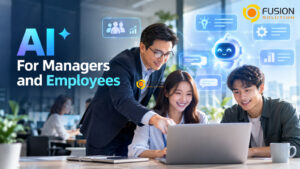
Today, HR teams are responsible for more than just managing administrative processes; they must also enhance the employee experience, bridge skills gaps, support managers, and enable the organization to make more effective workforce-related decisions—areas where AI for Managers and Employees can play a pivotal role.
Why is AI for Managers and Employees important?
Traditional HR systems often require managers and employees to search for information across multiple systems, perform manual tasks, or wait for the HR team to answer routine questions.
AI can transform these experiences by making it easier to access HR information and navigate various workflows.
Instead of navigating complex menus, users can interact with AI-powered tools through a conversational interface. Employees can find answers, access knowledge, and execute workflows, while managers can access workforce data and receive guidance for decision-making.
The goal is not merely to accelerate existing processes, but also to create a more intuitive and natural way of interacting with HR technology.
AI for Managers and Employees via AI Agents
Workday has positioned AI agents as a key component of its HCM platform; these agents are designed to execute tasks, make predictions, and provide recommendations across a wide range of HR processes.
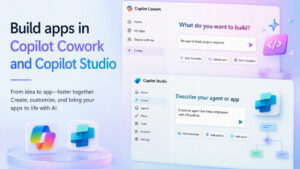
Self-Service Agents can answer questions, retrieve information, and guide users through various workflow procedures. Additionally, Sana Enterprise enables employees to create agents tailored to specific business processes.
For managers, AI can provide information and guidance directly within the flow of work; instead of switching between multiple systems, managers can use a conversational experience to find information and handle HR-related tasks.
This approach reduces repetitive administrative tasks and allows HR teams and managers more time for high-value work.
Unified Experience for Managers
One of the key challenges for managers is that HR data is scattered across multiple systems. When workforce data and work processes reside in separate systems, managers may spend a significant amount of time locating information before they can make decisions.
Workday’s Unified HCM Platform is designed to consolidate workforce data and HR processes.
Delivery Hero is one example of a company served by Workday. Operating in 70 countries and handling approximately 11 million orders daily, the company required a more standardized approach to managing its global HR processes.
By leveraging Workday’s unified platform, Delivery Hero has standardized its HR processes and provided managers with a more centralized experience; according to Workday, this approach reduces context switching, improves data hygiene, and supports more transparent decision-making.
How does Sana support managers and employees?
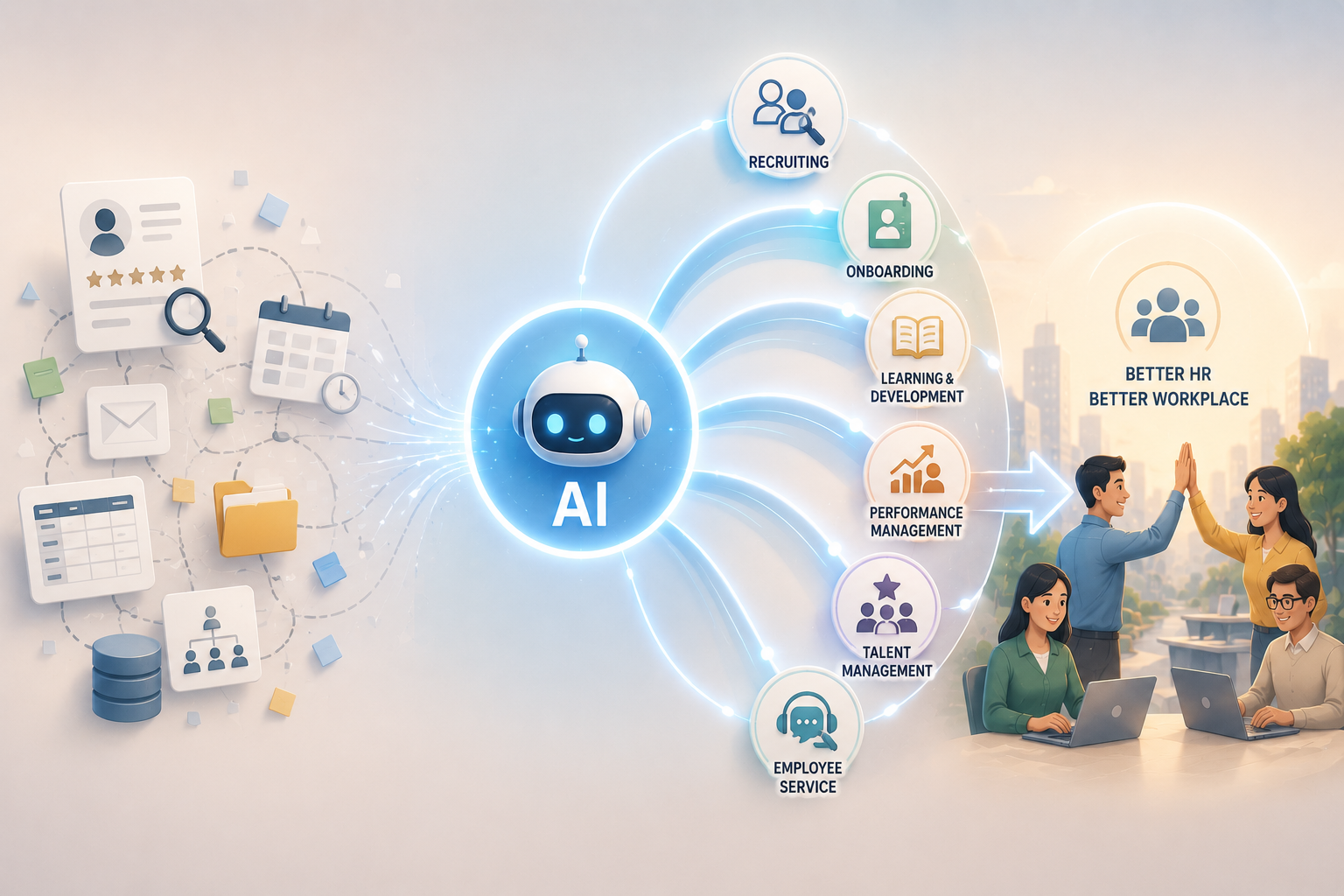
Sana is Workday’s AI-native experience for accessing information and workflows.
Instead of requiring managers to search for information across multiple systems, Sana can present relevant data and guide users through various processes via conversational interactions.
For managers, this approach simplifies access to workforce data when making decisions, while employees benefit from an easier way to find answers and handle day-to-day HR tasks.
When integrated with the Secure and Unified Data Foundation, this approach connects AI to the workforce data that organizations already use and rely on.
AI supports better recruitment and skills management.
AI is also transforming the way organizations manage talent.
Workday integrates recruiting, internal mobility, and employee development through shared workforce data and skills intelligence, enabling organizations to gain a holistic view of interconnected workforce capabilities rather than viewing HR processes in isolation.
For example, Workday’s Recruiting Agent helps organizations like Formula 1 reduce candidate screening time by 20%, according to Workday.
At the same time, the Candidate Experience Agent supports conversational interactions with candidates, enabling organizations to manage parts of the application experience at a scale that accommodates high volumes of applicants.
These examples demonstrate that AI can support the workforce journey across the entire spectrum—from sourcing and selecting candidates to providing support to employees and managers throughout their careers.
Building Credibility for AI-Powered HR
Implementing AI in HR goes beyond mere automation; organizations must also prioritize governance, transparency, and appropriate human oversight.
Workday describes its approach as a combination of deterministic workflows, transparent and governed AI, and a “human-in-the-loop” concept.
This means that AI can handle repetitive tasks and provide recommendations, while humans remain involved in making key decisions.
For HR leaders, this balance enables organizations to adopt AI appropriately while maintaining control over workforce processes and sensitive employee data.
The Future of AI for Managers and Employees
The future of HR technology is moving beyond the use of isolated AI tools and point solutions; organizations are seeking interconnected platforms that integrate people data, HR processes, and AI capabilities.
AI For Managers and Employees can help create this type of experience by making HR systems more conversational, more automated, and more accessible.
For employees, this could mean faster access to information and an easier-to-use HR system, while for managers, it could mean better access to workforce insights and less time spent on administrative tasks.
Ultimately, AI should not replace the human element in HR; instead, by automating system-related and routine tasks, it can free up managers and HR teams to focus on exercising judgment, coaching, collaborating, and building meaningful relationships with employees.