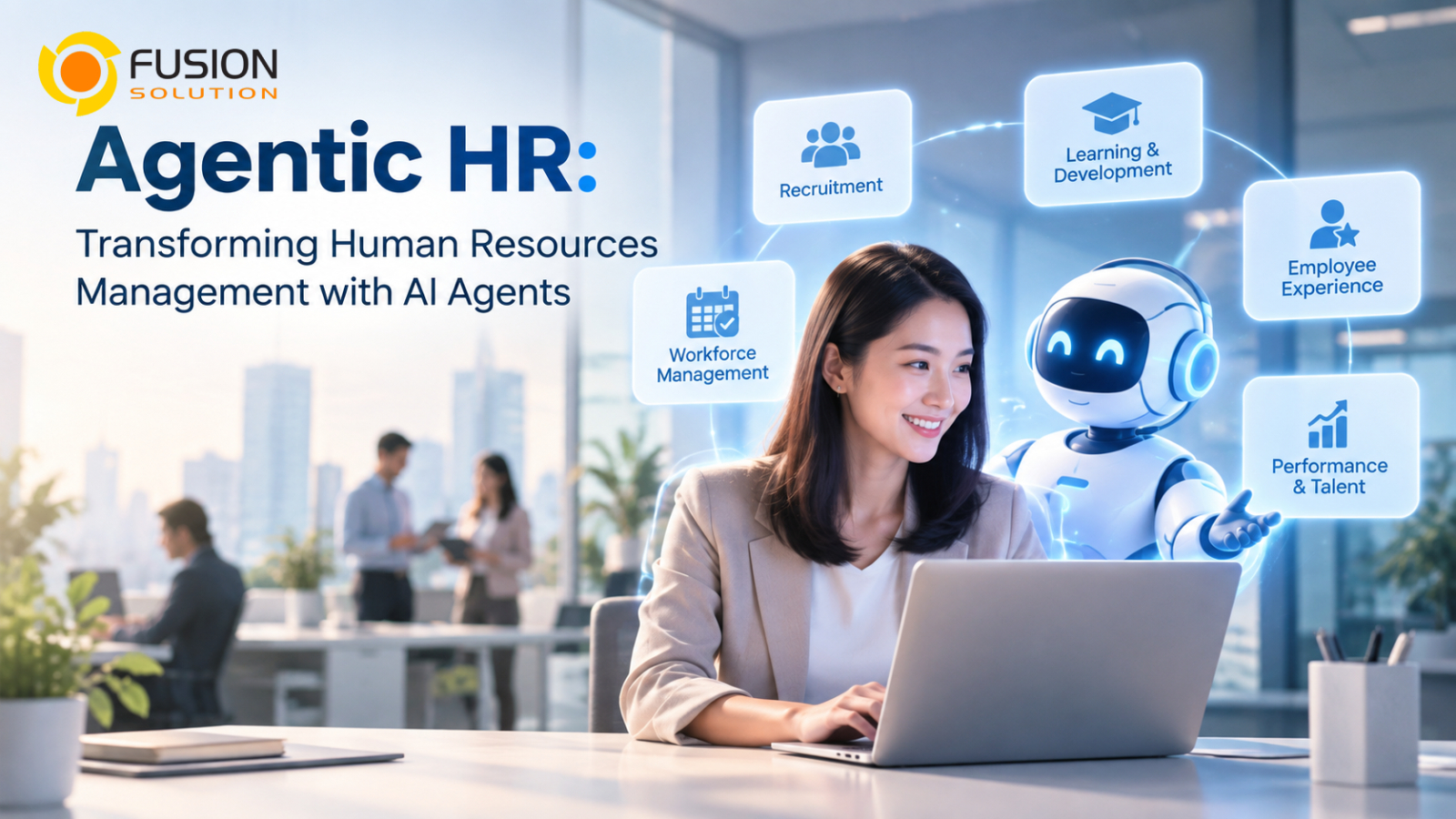
Agentic HR is transforming how organizations manage their workforce by utilizing AI agents capable of taking action, anticipating needs, and providing recommendations. Rather than simply helping HR teams complete routine tasks faster, this approach focuses on fundamentally changing HR operations; Workday integrates AI technology, connected workforce data, and intelligent agents to help organizations reduce repetitive, routine work and focus on activities that drive greater value.
What is Agentic HR?
"Agentic HR" refers to the use of AI agents to support and automate human resources functions—ranging from answering employee inquiries to streamlining business processes and facilitating recruitment.
Unlike traditional HR automation, which typically operates based on predefined rules, AI agents can interpret requests, provide relevant information, and guide users through the workflow.
Workday describes its approach as an open, AI-driven HCM platform where agents can take action, make predictions, and provide recommendations.
The goal is to enable the HR team to achieve more with fewer resources, while enhancing the employee experience and boosting HR operational efficiency.
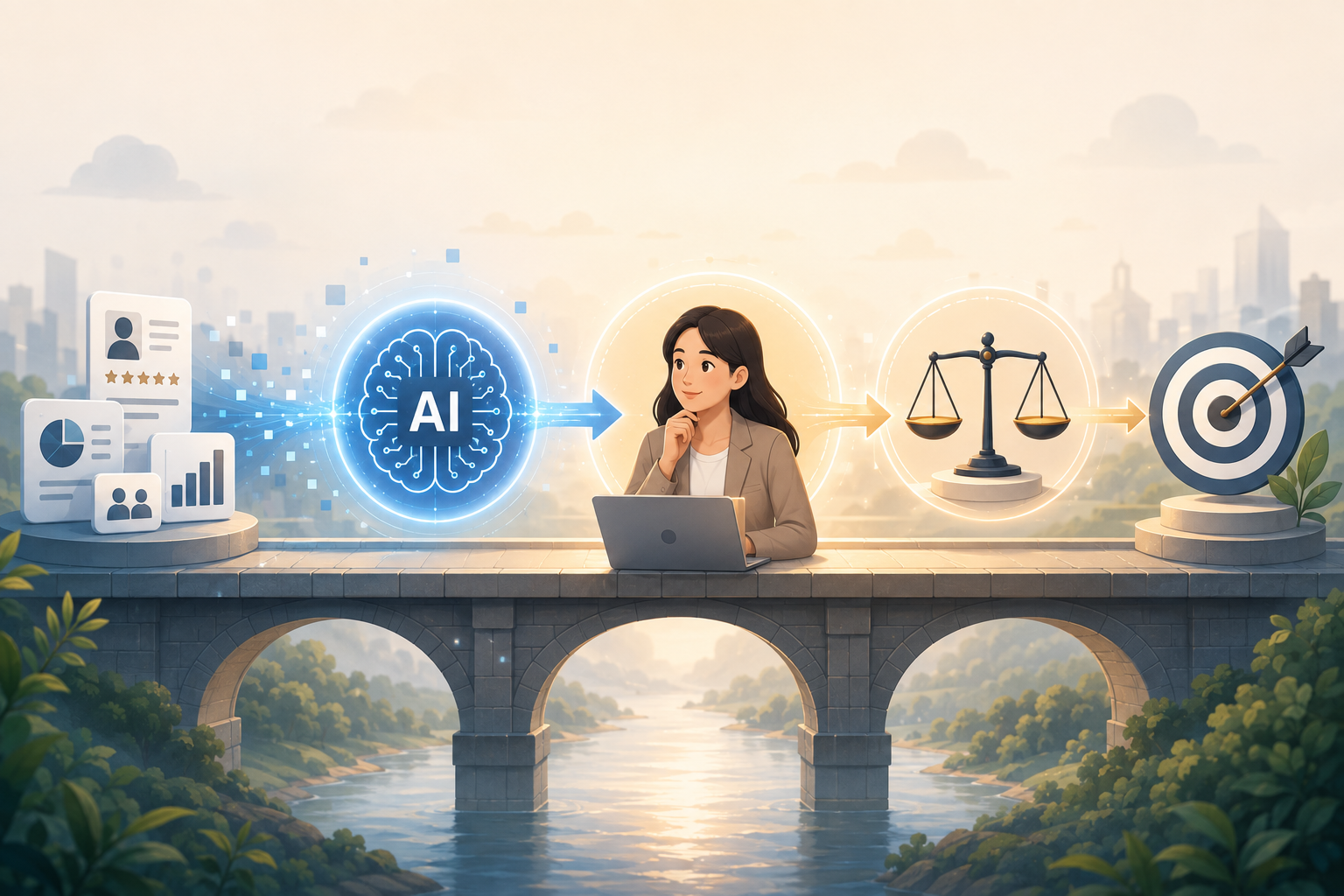
- Elevate the employee experience with AI agents
One of the key applications of Agentic HR is improving how employees access HR services and information.
Employees often require assistance with common inquiries regarding company policies, benefits, operational procedures, and internal processes. HR teams may spend a significant amount of time answering these questions, leaving less time for strategic work.
Workday’s Self-Service Agent enables employees to instantly find answers, access knowledge, and execute required workflows—accessible via Workday, Sana, and third-party applications.
Additionally, Sana Enterprise enables employees to create their own AI agents for specific workflows, allowing organizations to tailor AI-powered assistance to their unique needs.
According to Workday, these capabilities enable customers to manage cases more quickly, allowing HR teams to devote more time to value-added responsibilities.
- Transform HR technology into a system that drives actionable results.
Traditional HR systems typically focus on data storage and supporting specific operational processes. Agentic HR aims to overcome these limitations by enabling AI agents to execute tasks across various business units.
Workday integrates its existing HCM foundation with AI agents to provide organizations with a comprehensive view of their workforce and automate tasks that previously required manual effort.
For example, the Business Process Optimization Agent helps organizations identify opportunities to improve business processes.
Workday cites an example of a customer that used this agent to move from identifying process improvement opportunities to fully implementing those improvements within a single day.
This example demonstrates how AI agents can support workflow improvements by reducing the time and effort required to analyze and optimize workflows.
- Transforming Recruitment with Skills Intelligence
Recruitment, internal transfers, and employee development are often managed as separate activities; however, organizations need to understand the skills of their personnel across all these areas to make informed workforce management decisions.
Workday connects these processes through shared workforce data and Skills Intelligence.
Recruiting Agent helps organizations improve their candidate screening processes and more effectively identify qualified candidates.
For example, Workday reported that Formula 1 was able to reduce candidate screening time by 20% using Recruiting Agent, while also advancing more qualified candidates to the interview stage.
Workday also offers a Candidate Experience Agent that supports conversational interviewing at scale. Customers such as Ace Hardware and 7-Eleven use this agent to facilitate hundreds of conversational interviews each day.
These examples demonstrate that AI agents can help organizations manage recruitment more efficiently while also fostering a positive experience for candidates.
Why is Agentic HR important for organizations?
The value of Agentic HR extends beyond merely automating individual tasks; it also enables organizations to rethink and transform their HR service delivery and the way they support personnel-related decision-making.
By integrating AI agents with interconnected workforce data, organizations can advance in the following areas:
- Elevate the employee experience: Employees can access information and assistance regarding workflows whenever needed.
- Reduce administrative workload: AI agents can help handle common requests and repetitive tasks.
- Enhance HR operational efficiency: AI can support the analysis and improvement of work processes.
- Accelerate the recruitment process: AI agents can help screen candidates and conduct conversational interviews.
- Integrate personnel management into a more unified system: Shared personnel data enables the integration of recruitment, internal transfers, and employee development.
However, the benefits gained depend on how the organization implements AI, integrates it into workflows, and manages its usage.
Conclusion
"Agentic HR" reflects a shift from using AI merely to accelerate traditional HR tasks to employing AI agents that support and transform the way human resources functions operate.
Workday’s approach focuses on three key areas: enhancing the employee experience, transforming HR technology into actionable systems, and linking recruitment with the organization's workforce skills intelligence.
Through capabilities such as the Self-Service Agent, Business Process Optimization Agent, Recruiting Agent, and Candidate Experience Agent, Workday demonstrates how AI can support both day-to-day HR activities and overall workforce operations.
For organizations exploring the adoption of AI in human resources, a key opportunity lies in reducing repetitive, routine tasks, thereby allowing HR professionals more time to focus on people, talent management, and strategic business goals.