Managing employees across multiple countries, departments, and business units can make HR operations increasingly complex. Managers may need to work with different systems, search across multiple sources of information, and follow different processes depending on their location.
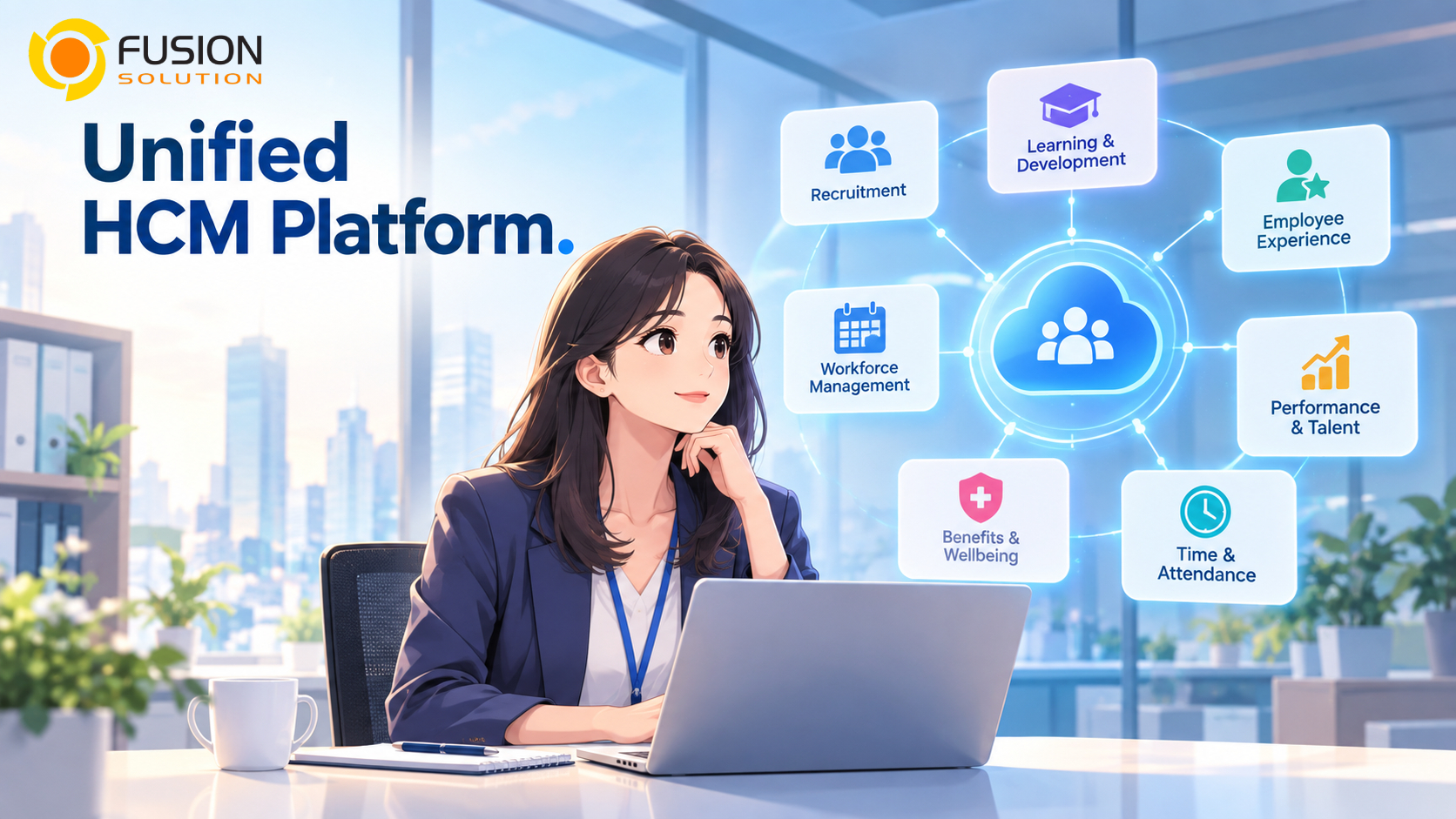
Unified HCM Platform can help organizations bring these fragmented HR operations together. By combining a common HCM foundation with AI and connected workforce data, organizations can create a more consistent manager experience while giving leaders better information for everyday decisions.
Workday's approach demonstrates how a unified platform can help global organizations simplify HR management and make workforce information more accessible.
What Is a Unified HCM Platform?
A Unified HCM Platform brings key human capital management processes, workforce data, and employee information together within a connected environment.
Instead of managing HR activities through separate systems for different countries, departments, or processes, organizations can establish a shared foundation for managing their workforce.
This can help create greater consistency across:
- Employee information
- HR processes
- Manager workflows
- Workforce data
- Talent management
- Reporting and analytics
- AI-powered assistance
The objective is not simply to put information in one place. A unified platform can help managers access the right information and complete HR-related tasks without constantly switching between different systems.
Why Managers Need a More Connected HR Experience?
Managers are often responsible for making decisions about their teams while also handling day-to-day administrative tasks.
When HR information is spread across different systems, managers may spend unnecessary time searching for information, switching between applications, and trying to understand different processes.
This can create several challenges:
Too many systems: Managers may need to use multiple applications to complete basic HR tasks.
Fragmented information: Important workforce information may exist in different locations.
Inconsistent processes: HR processes can vary between countries or business units.
Limited visibility: Managers may struggle to access the information they need at the right time.
A Unified HCM Platform aims to reduce these problems by connecting HR data and processes through a common foundation.
Delivery Hero: A Global Example
Delivery Hero provides an example of why unified HR management can become important as an organization grows.
The company operates across 70 countries and delivers approximately 11 million orders per day. Managing people processes at this scale can create significant operational complexity.
According to Workday, Delivery Hero needed to bring its HR activities together instead of managing them separately across different markets.
By using Workday HCM's unified, AI-powered platform, Delivery Hero worked toward harmonizing its people processes globally and creating a more centralized experience for managers.
The result, according to Workday, included less context switching, improved data hygiene, and greater transparency when making decisions.
How AI Can Improve the Manager Experience
A Unified HCM Platform becomes even more useful when combined with AI.
Managers do not always want to search through HR systems to find information. They often want to ask a question and receive relevant information or guidance within the flow of their work.
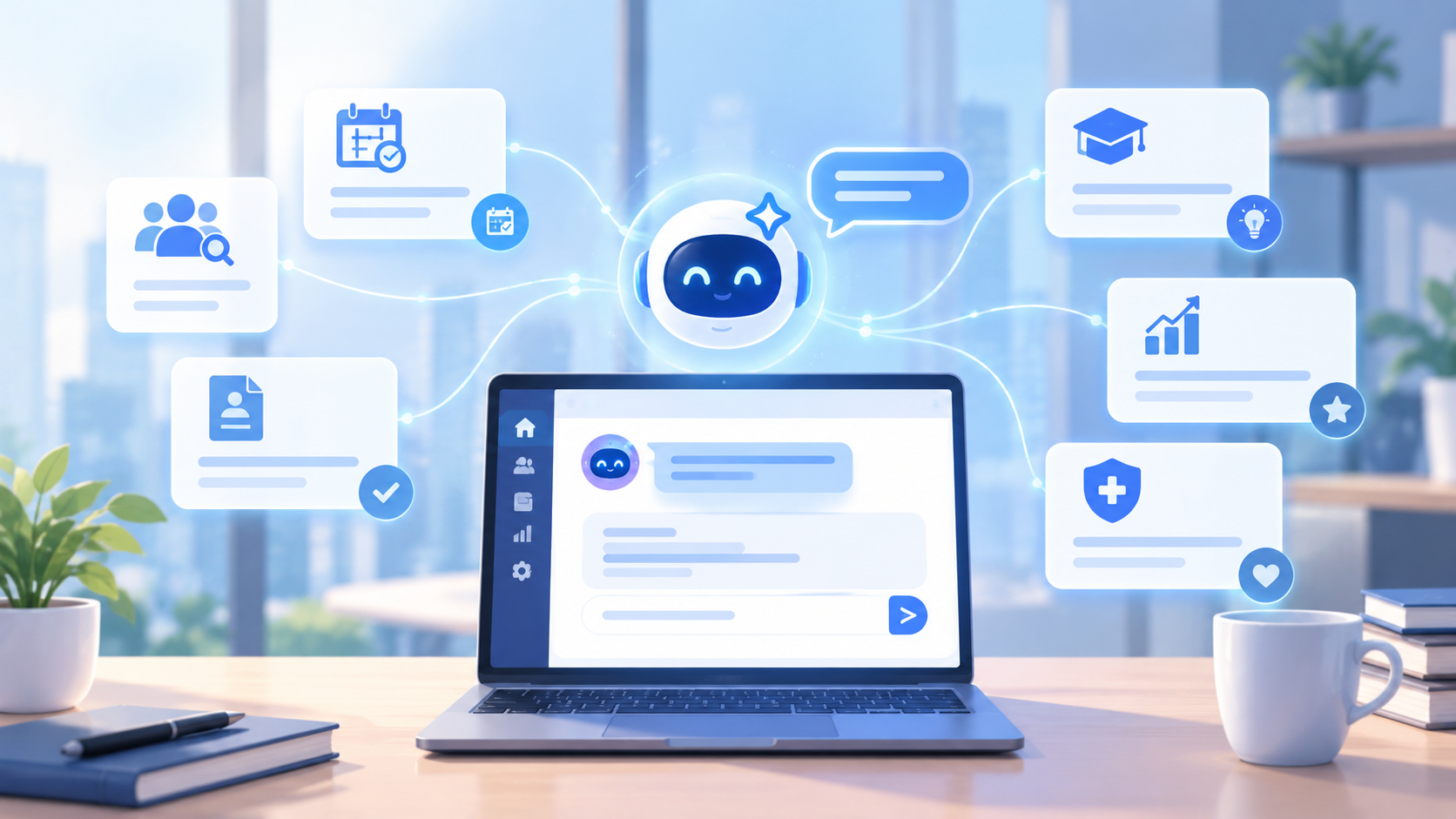
Workday's Sana is designed to provide this type of AI-powered experience.
Instead of navigating through multiple systems, managers can use conversational interactions to find information and receive guidance through workflows.
For example, rather than manually searching through different HR resources, a manager could use an AI interface to access relevant workforce information and receive assistance with an HR process.
This can make HR technology feel more accessible and reduce unnecessary navigation between systems.
Turning Workforce Data into Decision Intelligence
Having workforce data in one place is useful, but simply collecting data does not automatically improve decision-making.
Managers need relevant information that they can understand and act upon.
A unified data foundation combined with AI can help turn scattered information into more useful decision intelligence.
For example, managers may need to understand workforce trends, employee information, organizational structures, or other HR-related data before making decisions.
When this information is connected, AI can help surface relevant insights instead of requiring managers to manually search across multiple systems.
This supports a more proactive approach to workforce management.
Standardizing HR Processes Globally
Global organizations often face a difficult balance between standardization and local requirements.
Different countries may have different HR practices, regulations, and operational needs. At the same time, organizations need consistent processes and reliable workforce data across the business.
A unified HCM approach can provide a common foundation while allowing organizations to manage the requirements of different markets.
For Delivery Hero, Workday says the platform is helping the company harmonize and globally standardize its people processes.
This can make it easier for managers to work with consistent processes while giving leadership greater visibility across the organization.
Reducing Context Switching
Context switching may seem like a small problem, but it can add significant friction to everyday management.
A manager might need to:
- Open one system to find employee information.
- Move to another application to check a process.
- Search another knowledge source for HR guidance.
- Return to the original system to complete an action.
A connected platform can reduce these unnecessary transitions.
By bringing information and workflows closer together, managers can spend less time navigating systems and more time managing their teams.
This is one of the practical benefits of a Unified HCM Platform.
Better Data Quality and Consistency
HR decisions are only as reliable as the information behind them.
When employee data is maintained across disconnected systems, organizations may encounter duplicate information, outdated records, or inconsistent data.
A unified HCM foundation can help organizations establish a more consistent source of workforce information.
Better data quality can support:
- More reliable reporting
- Better workforce planning
- More consistent HR processes
- Improved management decisions
- More effective AI-powered insights
For large organizations, maintaining reliable workforce data becomes increasingly important as the number of employees, locations, and business processes grows.
What Organizations Can Learn from This Approach
The Delivery Hero example highlights several broader considerations for organizations modernizing their HR technology.
First, HR transformation is not only about implementing new software. Organizations also need to consider how their processes, data, and employees work together.
Second, AI is more valuable when it has access to connected and reliable organizational data.
Finally, improving the manager experience can be an important part of improving the overall employee experience.
A platform that makes HR information easier to access can help managers spend less time dealing with administrative complexity and more time supporting their teams.
Summary
A Unified HCM Platform can help organizations simplify HR management by connecting workforce data, processes, and AI-powered experiences in one environment.
Workday's example with Delivery Hero shows how a global organization can use a unified HCM foundation to harmonize people processes, reduce context switching, and provide managers with a more consistent way to access information and complete HR workflows.
When combined with AI capabilities such as Sana, a unified platform can go beyond simply storing HR data. It can help turn connected workforce information into actionable insights and conversational experiences that support managers in their everyday work.
For organizations managing a complex global workforce, the future of HCM may depend not only on having more HR technology, but on connecting the technology, data, and people experience into one unified environment.