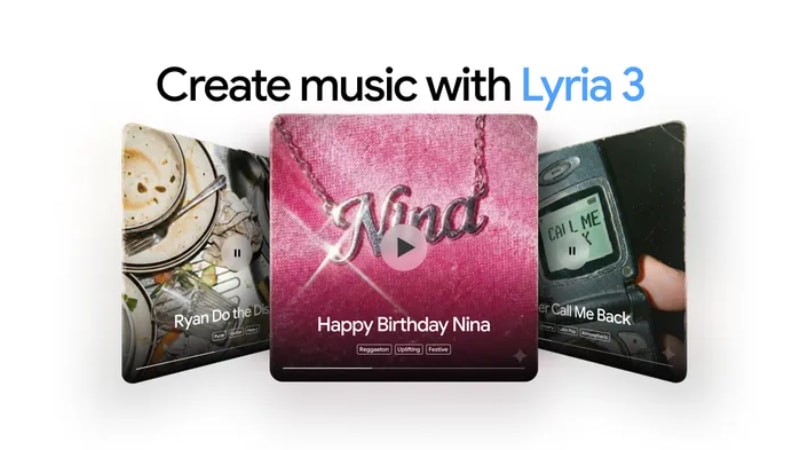
Have you ever finished editing a perfect video only to spend hours hunting for the right royalty-free background music? Those days are officially over. With the launch of Lyria 3 Google has integrated its most advanced generative AI music model directly into the Gemini app, turning anyone—regardless of musical talent—into a composer.
Unlike traditional music production processes that require numerous instruments, recording equipment, and editing tools, new generative AI models can transform text prompts into original musical works.
ด้วยระบบใหม่นี้ ผู้สร้างสรรค์คอนเทนต์สามารถทดลองเมโลดี้ สไตล์ และพื้นผิวเสียงต่าง ๆ ได้ โดยไม่จำเป็นต้องมีความเชี่ยวชาญด้านดนตรีเชิงลึก
What Is Lyria 3?
Lyria 3 is an advanced AI model for music creation designed to generate high-quality soundtracks from simple commands or creative ideas.
This model analyzes musical structure, rhythm, harmonic patterns, and sound design to create musical works that feel natural and are professionally arranged.
Instead of having to compose every element of a song manually, creators can suggest it to AI by explaining, for example:
- The mood of the music
- The genre or style
- The rhythm or intensity level of the music.
- Purpose of use (movies, games, podcasts, or advertisements)
For example, the command:
"A cinematic orchestral soundtrack for thriller scenes."
The system may create music that is dramatic, with varying levels of intensity and the use of multiple instruments.
This generative system allows creators to transform ideas into soundtracks in minutes, instead of taking hours or days.
Turn your ideas into sound with Lyria 3
A key feature of Lyria is its high level of flexibility. The system operates in a multimodal manner, meaning it not only understands text but can also “see” your creative ideas.
Text-to-Music
Simply describe the mood, genre, or situation you're looking for, such as:
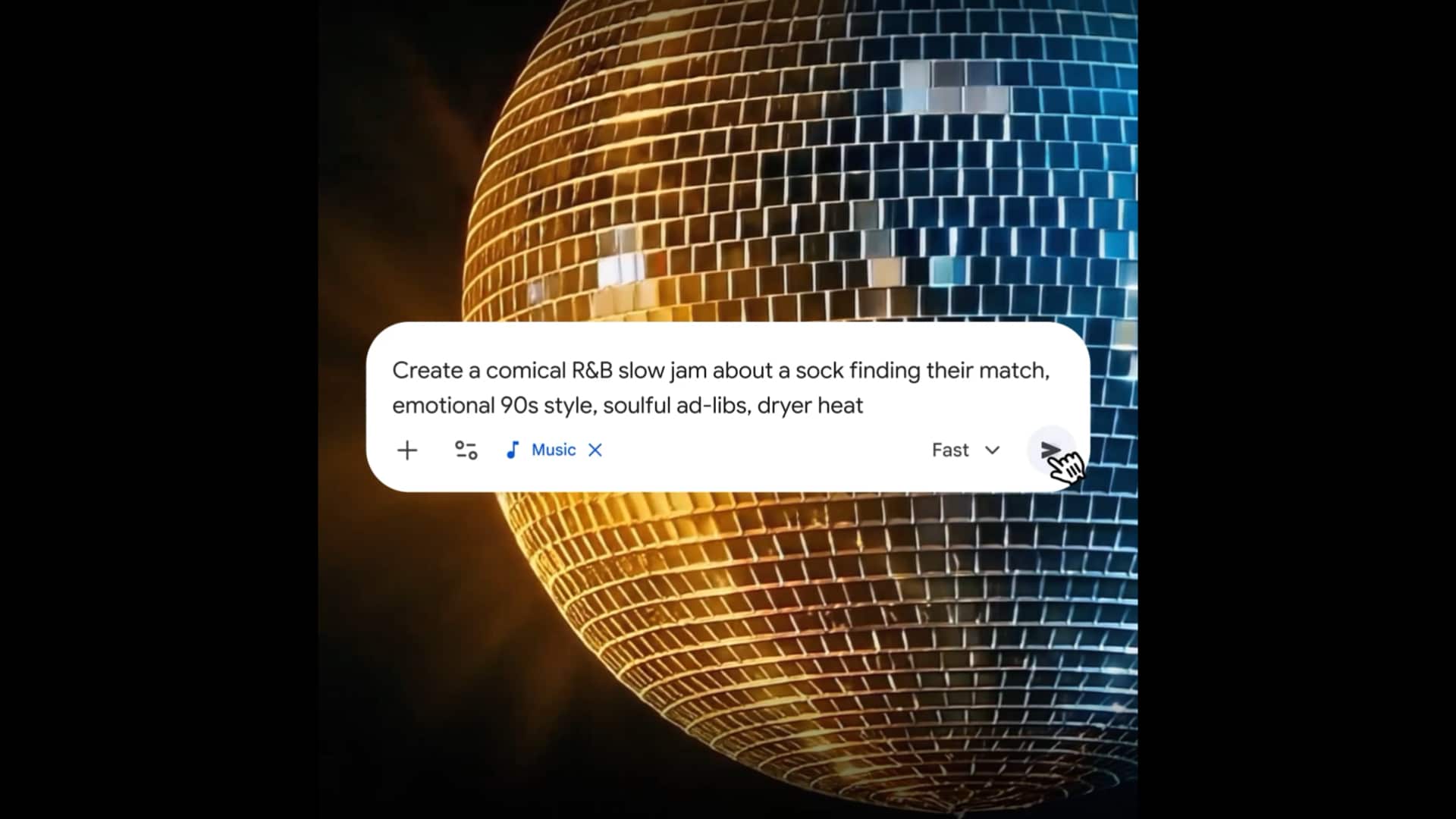
"A 90s skate punk song about a cat that won't wake up."
Lyria can create melodies, write lyrics, and produce vocals to match that concept.
Image-to-Music
This is where the magic happens.
You can upload photos of sunsets or videos of crowded cities, and then the AI will analyze the "atmosphere of the image," such as:
- colors
- Lighting
- subject of the image
Then create a soundtrack about 30 seconds long that matches the visuals.
Granular Control
Users can specify details, such as:
- Vocal range (e.g., deep baritone or clear soprano)
- Multilayer instruments such as '80s synths or classical violins.
The Core Capabilities of Google Lyria
- Creating a Custom Soundtrack
One of the most powerful features of this AI system is its ability to create music tailored to the specific context of a creative project.
Users can create music for...
Use cases | Example of use |
Video content | YouTube intro music or background music for vlogging |
Film production | Film music and soundtracks for emotional scenes |
Game development | Ambient music and music for action scenes. |
Marketing | Brand videos, advertisements, and product launches. |
Podcast | Intro music and ambient sounds. |
Instead of having to search through a stock music library, creators can instantly generate unique music that matches the tone of their project.
- Flexibility in style and musical genre
The system has been trained on a variety of musical styles, enabling it to create works in multiple genres, such as:
- Cinematic orchestral music
- Electronic ambient music
- Instrumental jazz
- Background music in pop or indie style.
- experimental soundscape
Creators can adjust additional style commands to experiment with different musical approaches before selecting the final version.
- Experimenting with song ideas became faster.
Traditional music production typically involves several steps, such as:
- Songwriting
- Compilation
- Audio recording
- Mixing and Mastering
Creating music with AI can significantly reduce the time spent testing ideas in the early stages.
With AI tools like this, creators can:
- Generate multiple soundtrack ideas instantly
- Quickly test different moods for the same scene
- Adapt music dynamically during editing
This speed is particularly valuable in fast-paced industries such as content creation and game development.
- Enhanced Creative Collaboration
AI-powered music creation tools are not designed to replace musicians or composers.
But they were created to serve as creative assistants.
Writers, film directors, and designers who may not have a musical background can more easily experiment with musical concepts and communicate their ideas.
For professional songwriters, AI-generated music can also serve as inspiration or a starting point for further development and arrangement.
Applications in the creative industries.
Music creation using AI is increasingly being used across a wide range of digital industries.
Content creation and social media
Video creators often need royalty-free music that matches the tone of their content. AI-generated soundtracks allow creators to produce personalized music without worrying about licensing restrictions.
Film and Video Production
Filmmakers can use AI tools to generate placeholder soundtracks during editing, helping them test how music influences pacing, emotion, and storytelling.
Game development
Dynamic background music is essential in modern games. AI systems can generate atmospheric loops or evolving soundscapes tailored to different gameplay scenarios.
Marketing and Advertising
Brands frequently need original music for campaigns and promotional videos. AI-generated compositions provide a fast way to create unique soundtracks that reinforce brand identity.
How to Use Lyria 3 in Gemini
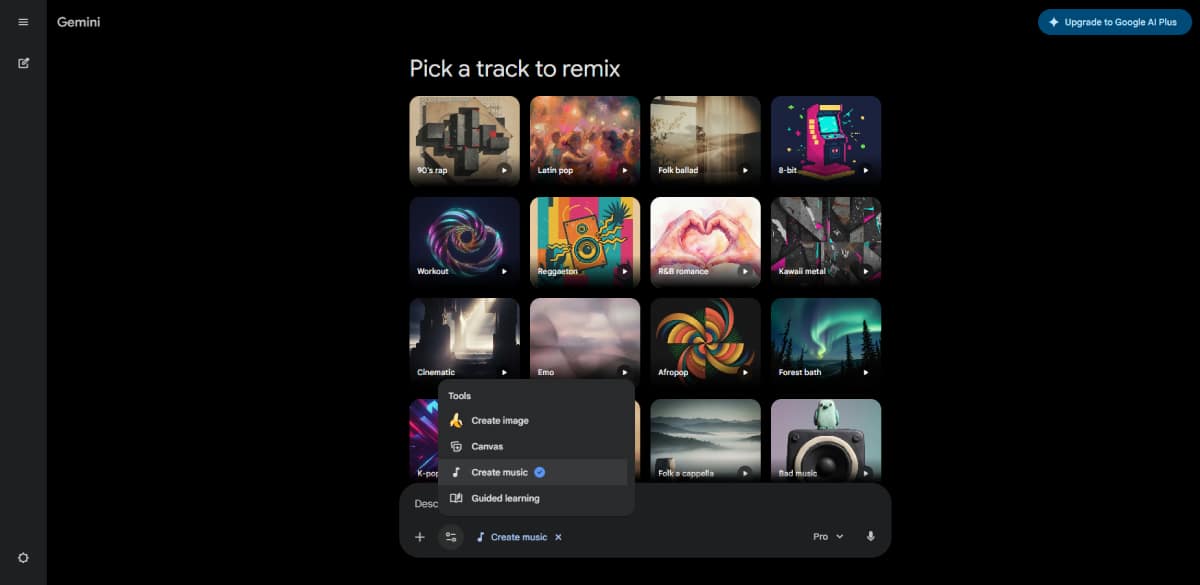
Getting started is as simple as sending a chat message. If you are over 18 and using Gemini (on web, Android, or iOS), you likely already have access to this powerhouse.
- Open Gemini
Look for the “Create Music” tool or the guitar icon in the tools menu. - Enter command (Prompt)
Try to be as specific as possible, for example:
- An era of music, such as "1950s Jazz".
- Rhythm, for example, "fast and energetic".
- Emotions such as "giving a retro feel".
- You can type in your own lyrics, starting with "Lyrics:" followed by your text, or let the AI generate lyrics based on a given theme.
- Customize and download
Once your approximately 30-second song is complete, you can download it as an MP3 or MP4 file for use in YouTube Shorts, TikTok, or your personal projects.
Benefits of AI Music Generation
The emergence of generative music technology brings several important advantages.
Benefit | Description |
Faster production | Music can be generated in minutes instead of hours |
Creative experimentation | Multiple musical ideas can be tested instantly |
Cost efficiency | Reduces reliance on expensive licensing or production |
Accessibility | Enables non-musicians to explore music creation |
Customization | Soundtracks can be tailored precisely to a project |
These advantages make AI-powered music tools especially valuable for independent creators and small production teams.
The Future of AI-Generated Music
How Google Lyria Could Transform Music Production
As generative AI models become more advanced, these tools are likely to have deeper controls over musical structure, instruments, and emotional expression.
Lyria represents a significant step towards AI systems that can collaborate creatively with humans, rather than solely focusing on automated tasks.
Future possibilities may include:
- Creating music in real-time during video editing.
- An interactive soundtrack that changes based on the player's in-game behavior
- Advanced vocal and instrument synthesis
- A musical style customized according to each creator's preferences
These innovations could dramatically change the way music is produced, distributed, and enjoyed in digital media.
Summary
The rapid advancement of generative AI is transforming how creative work is done across many industries, and music production is becoming one of the most exciting areas.
Modern AI tools enable creators to transform ideas into original soundtracks more quickly and flexibly.
For content creators, developers, and storytellers, tools like Lyria open up opportunities to experiment with new ways of storytelling through music that were previously limited by time, budget, or technical skills.
As technology advances further, AI-generated music is likely to become a standard creative tool, enabling both professionals and beginners to fully explore the world of sound and storytelling in new dimensions.