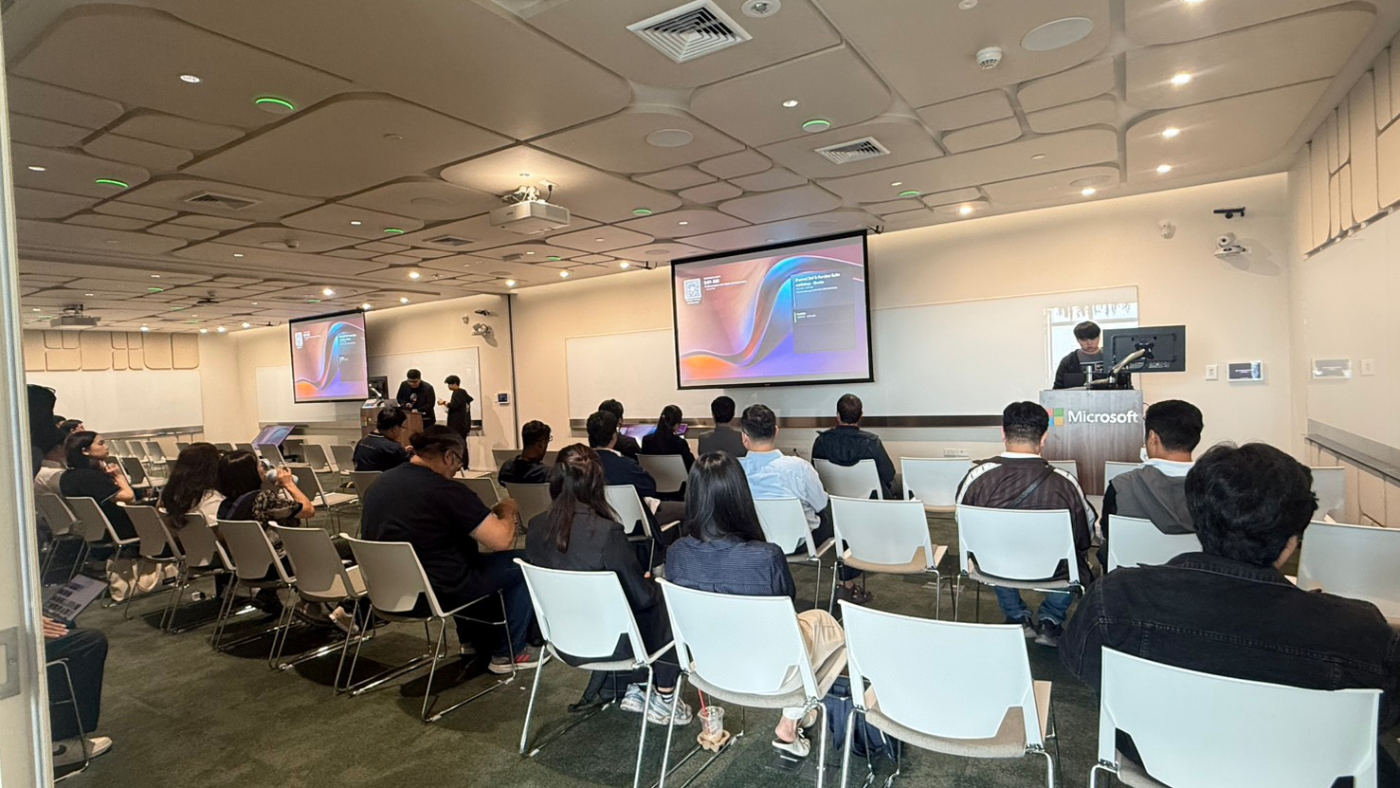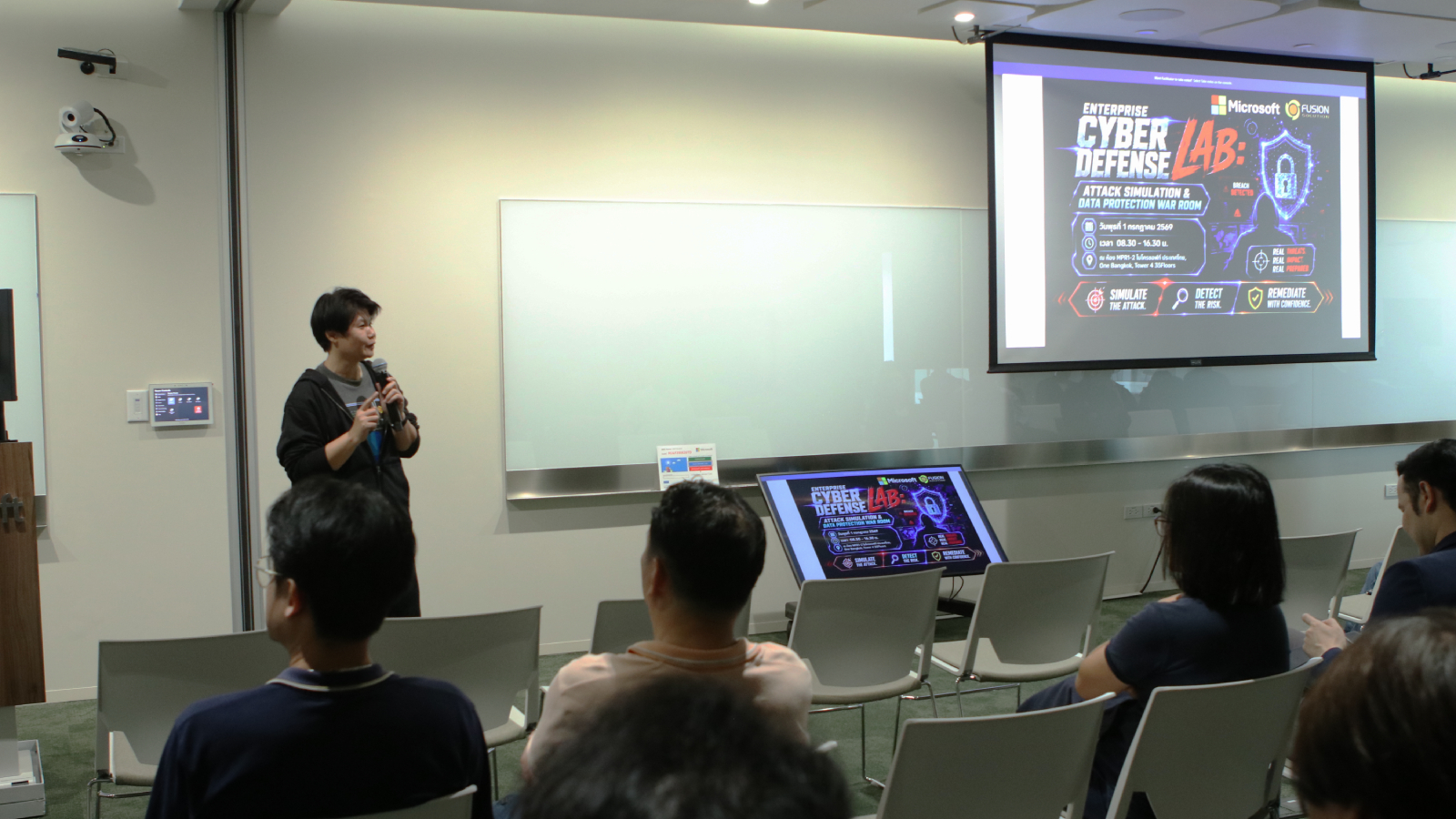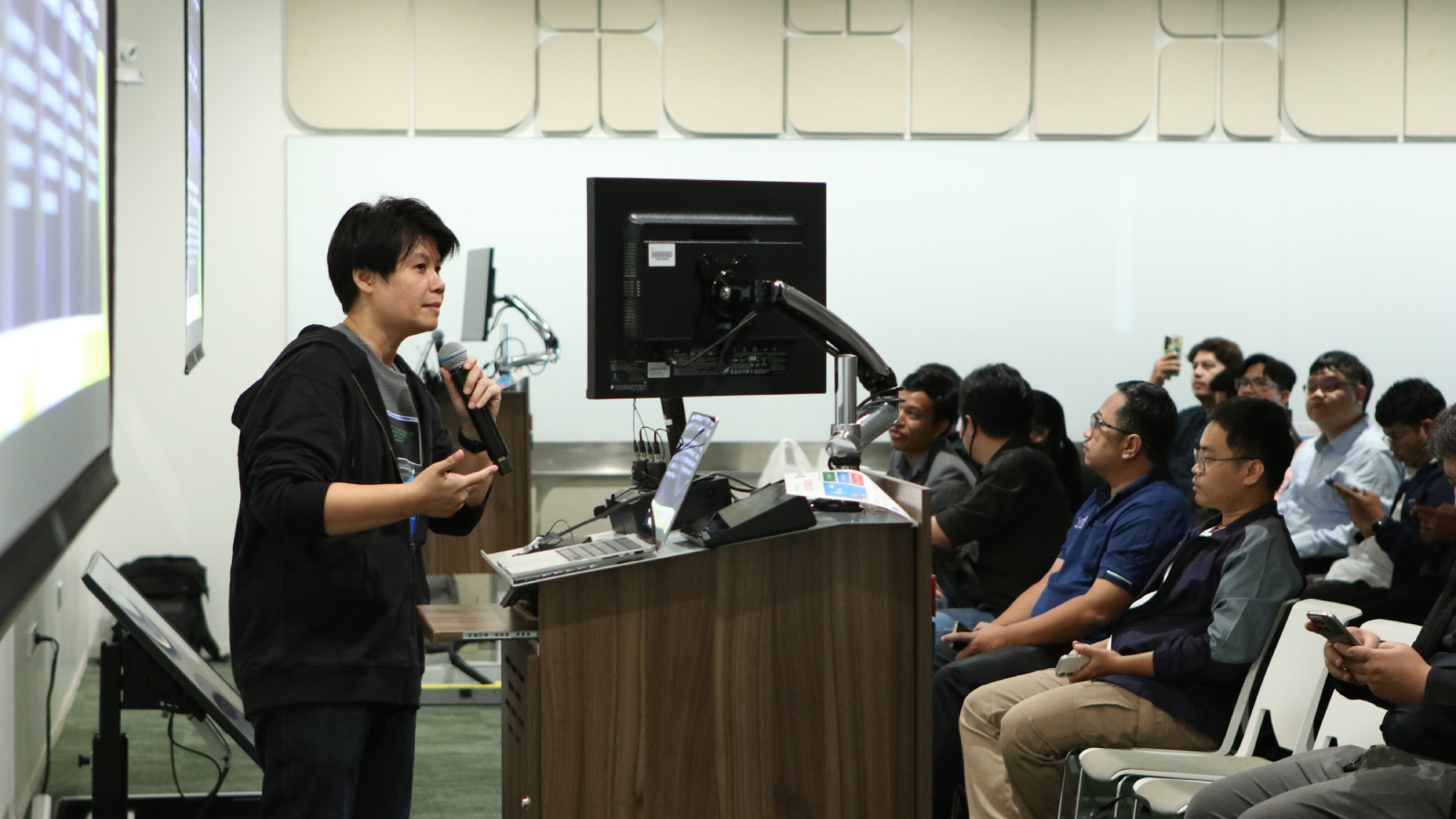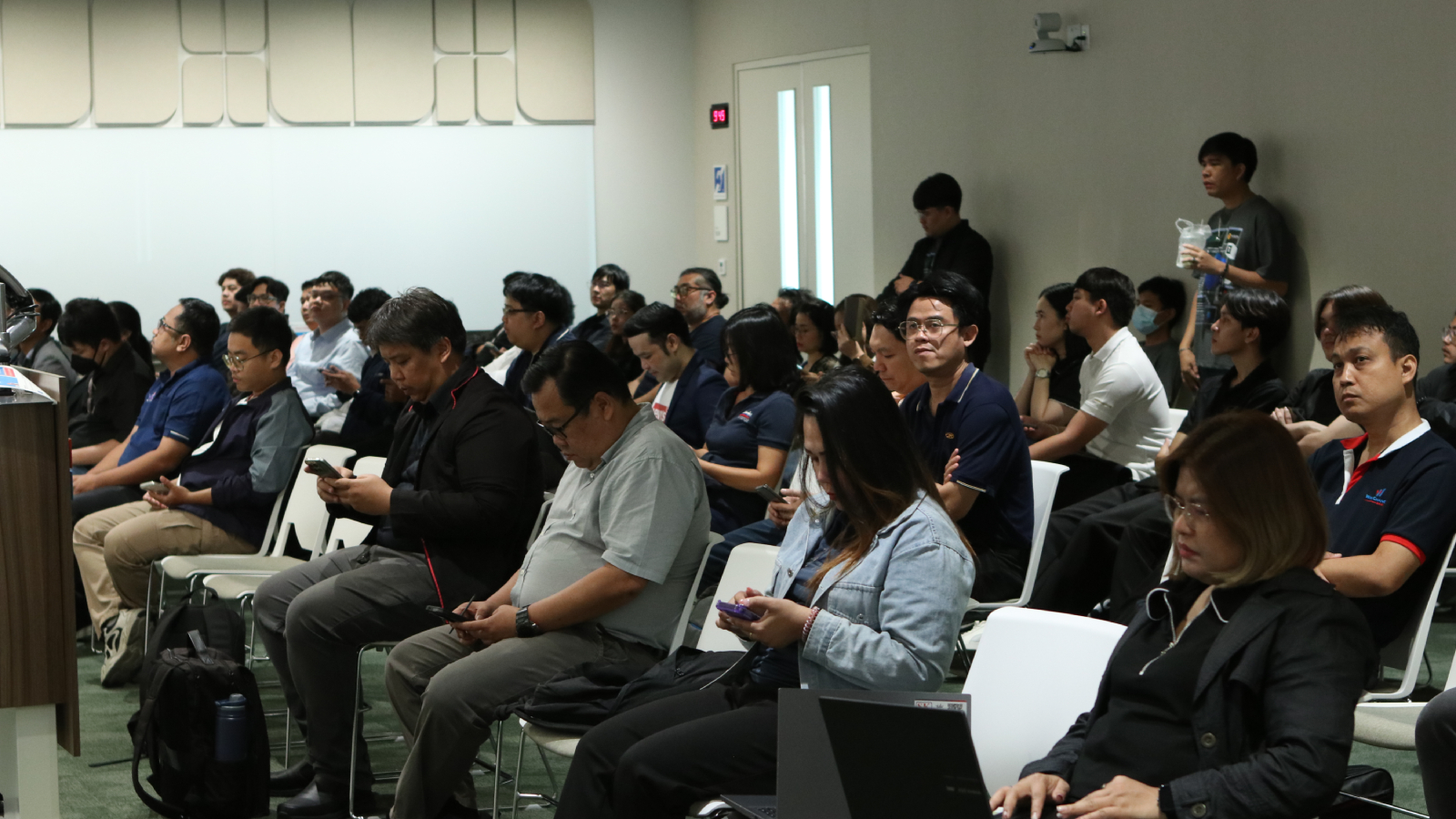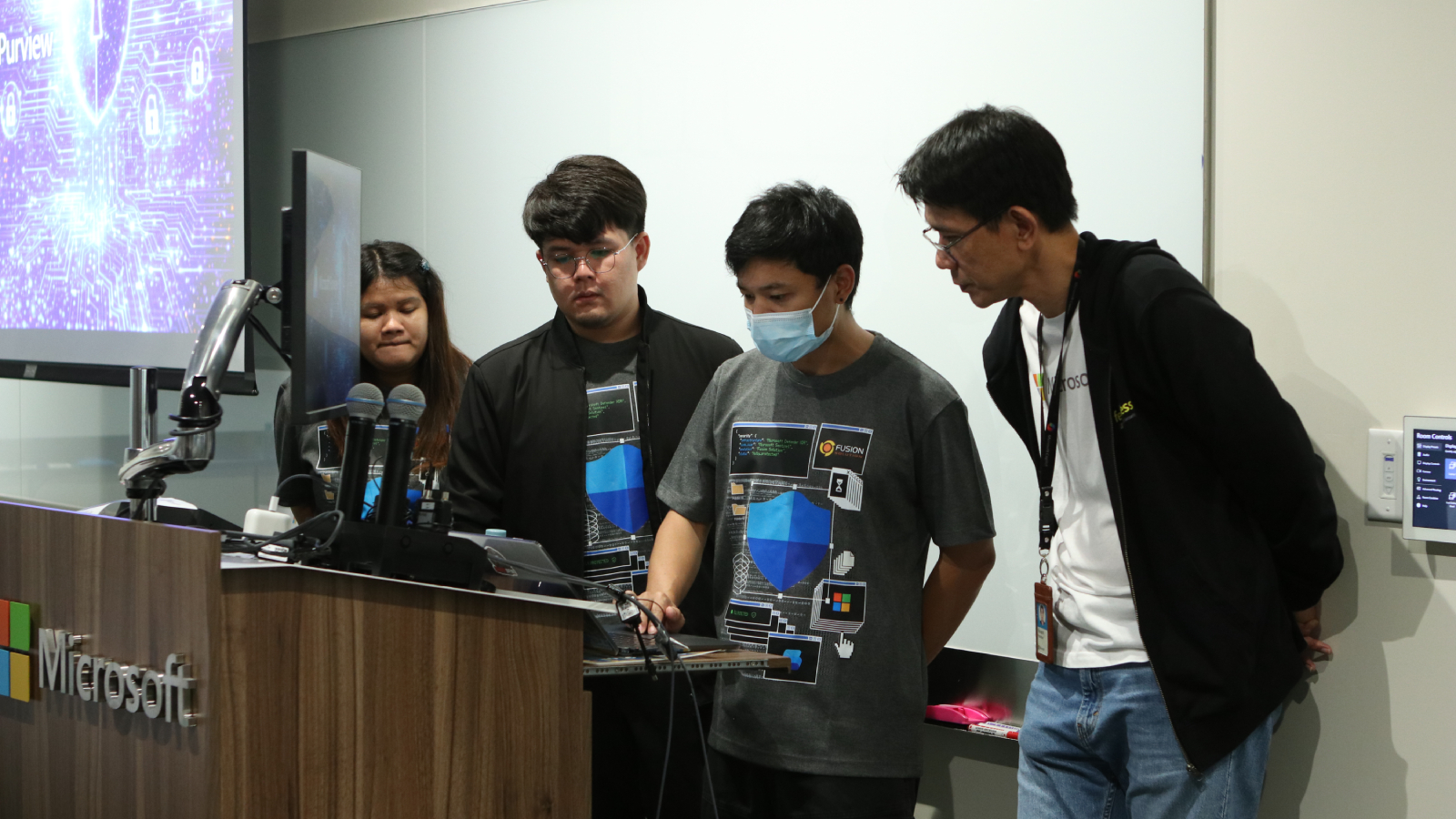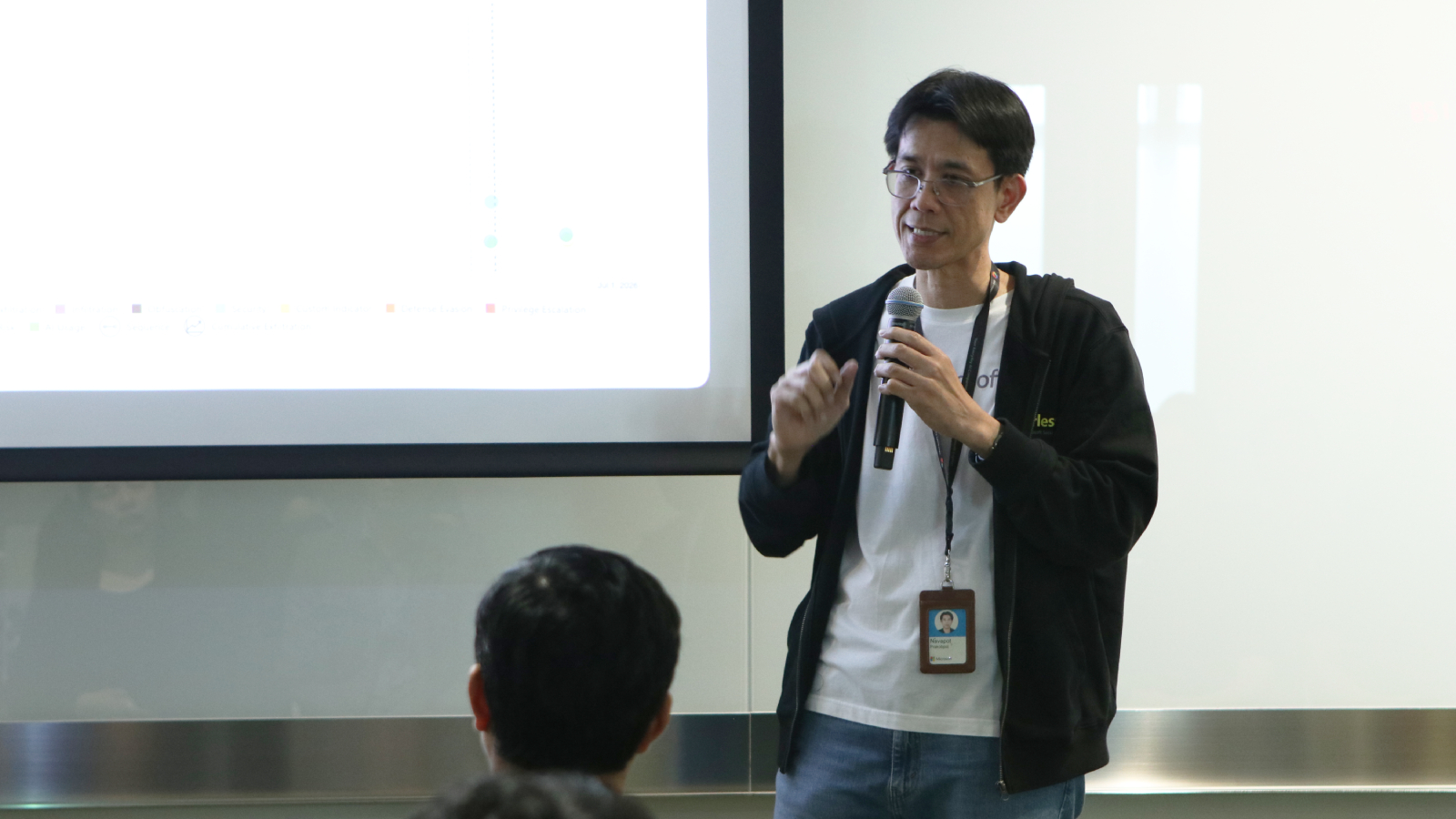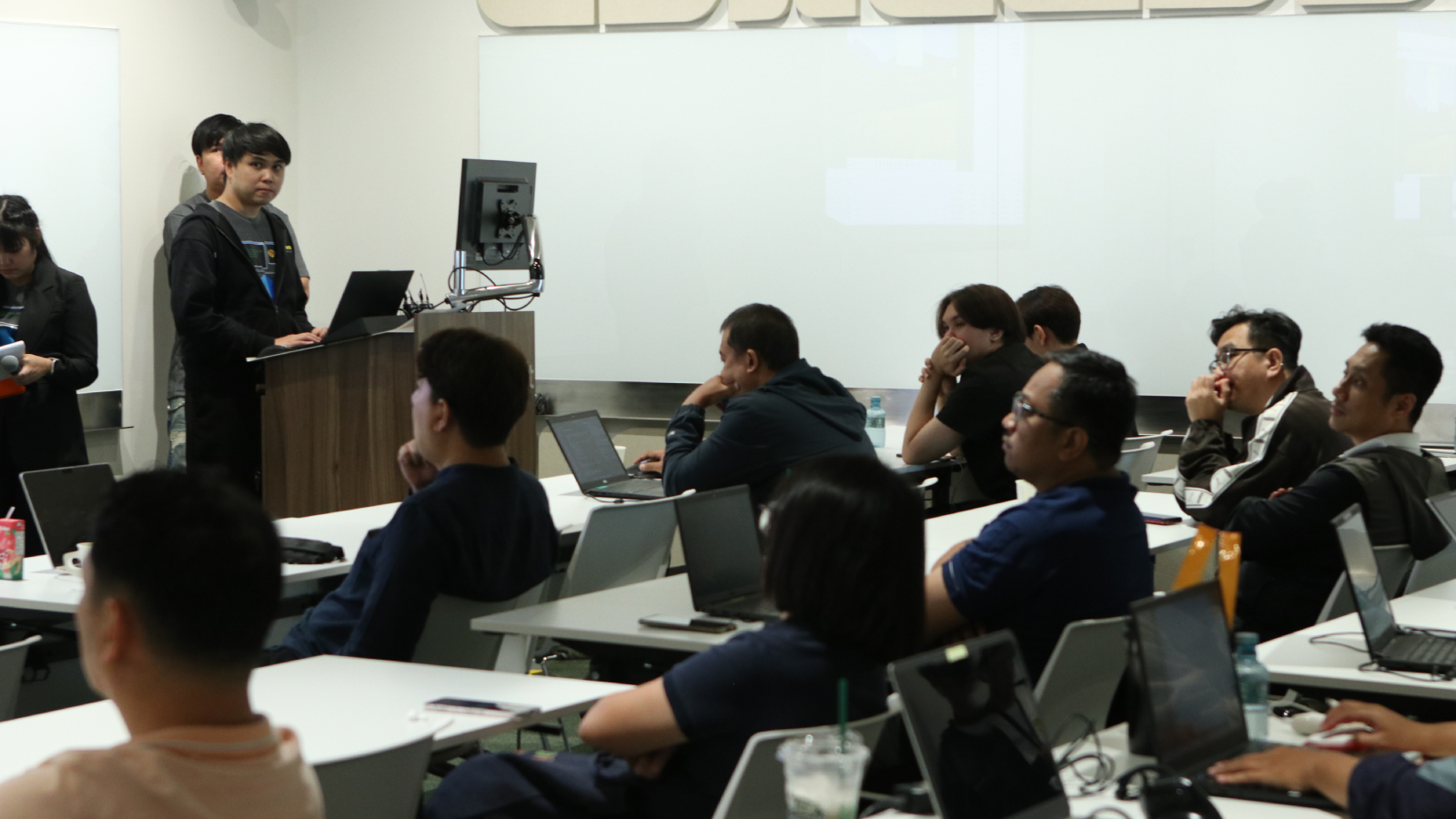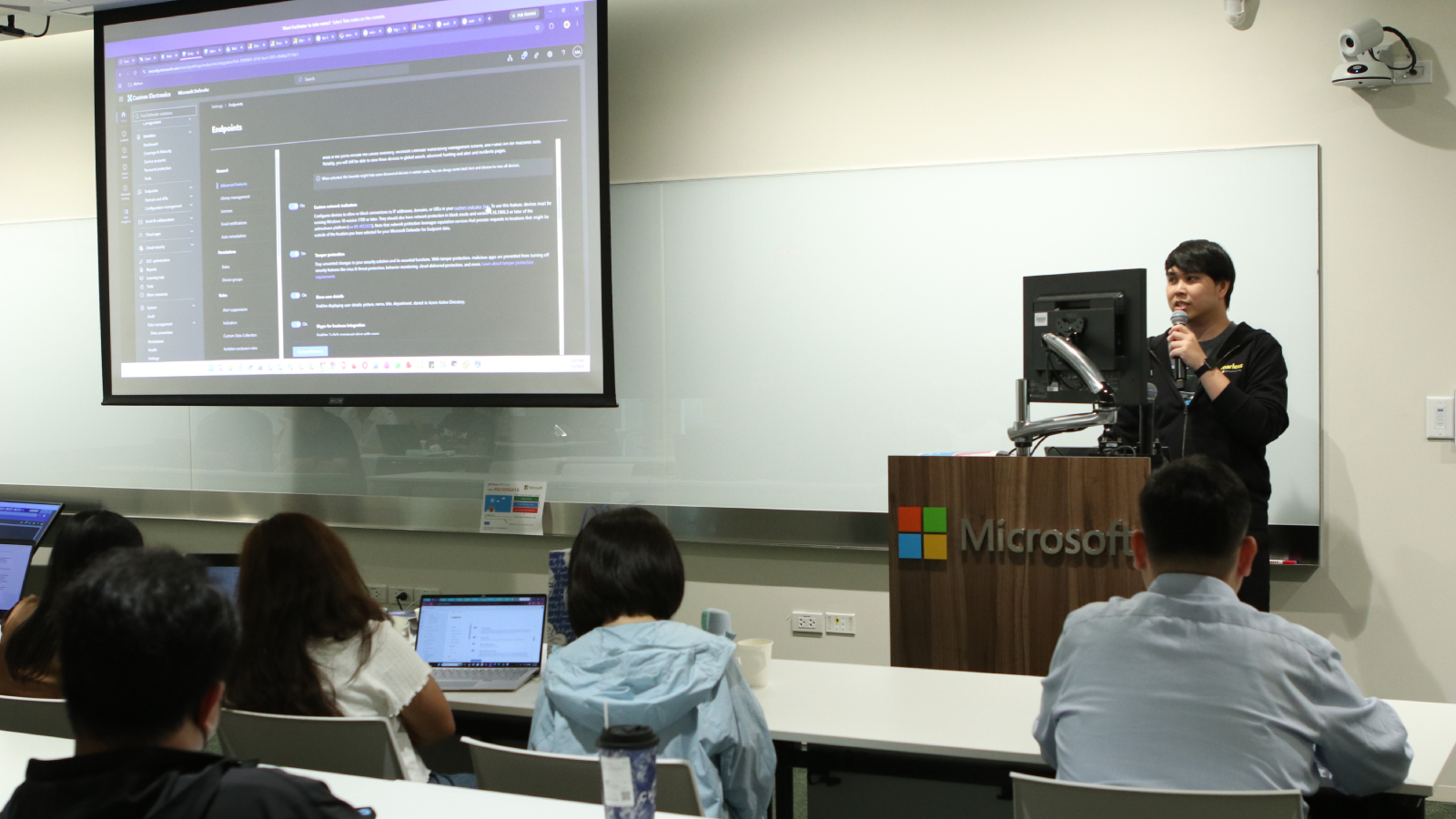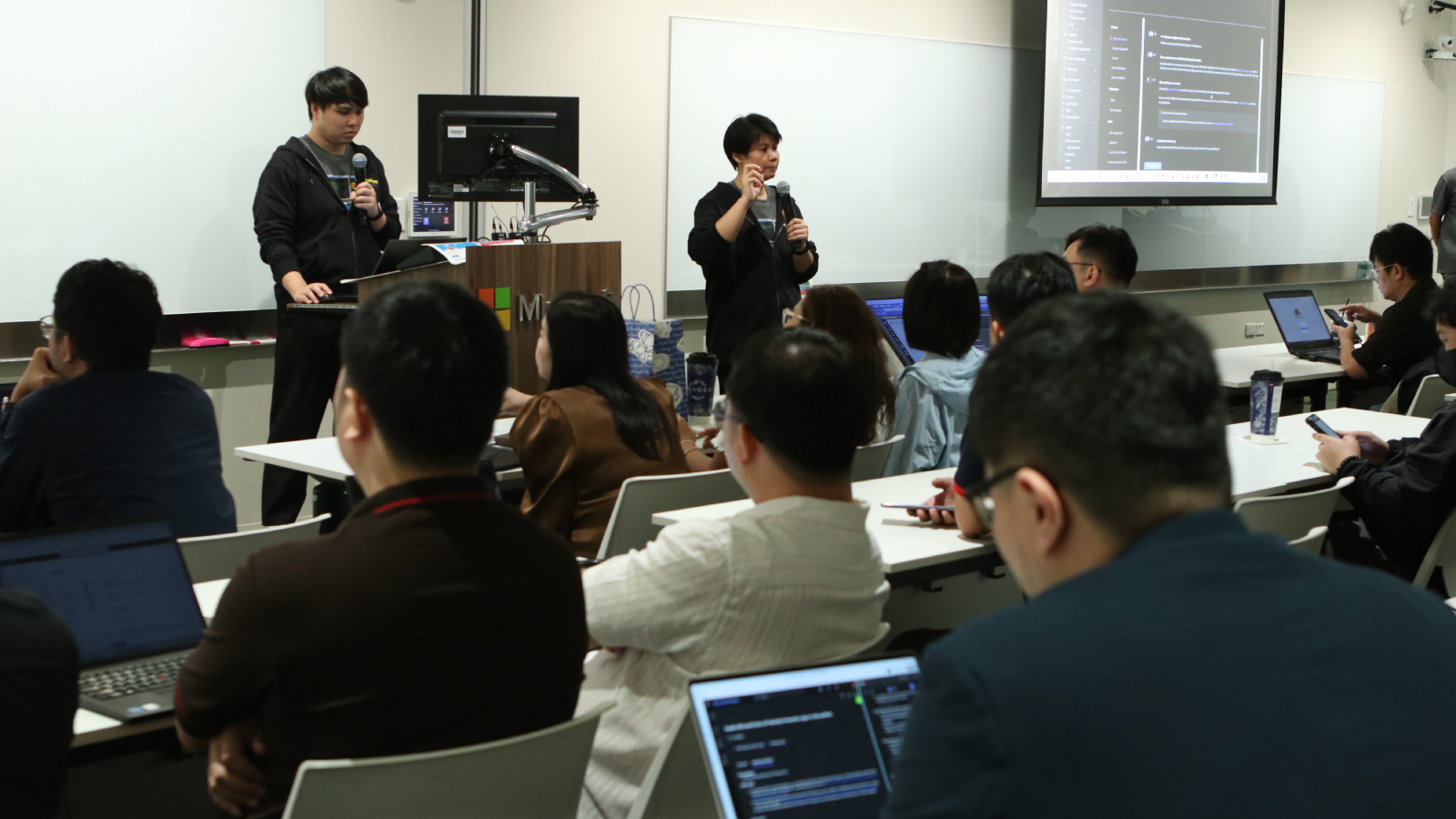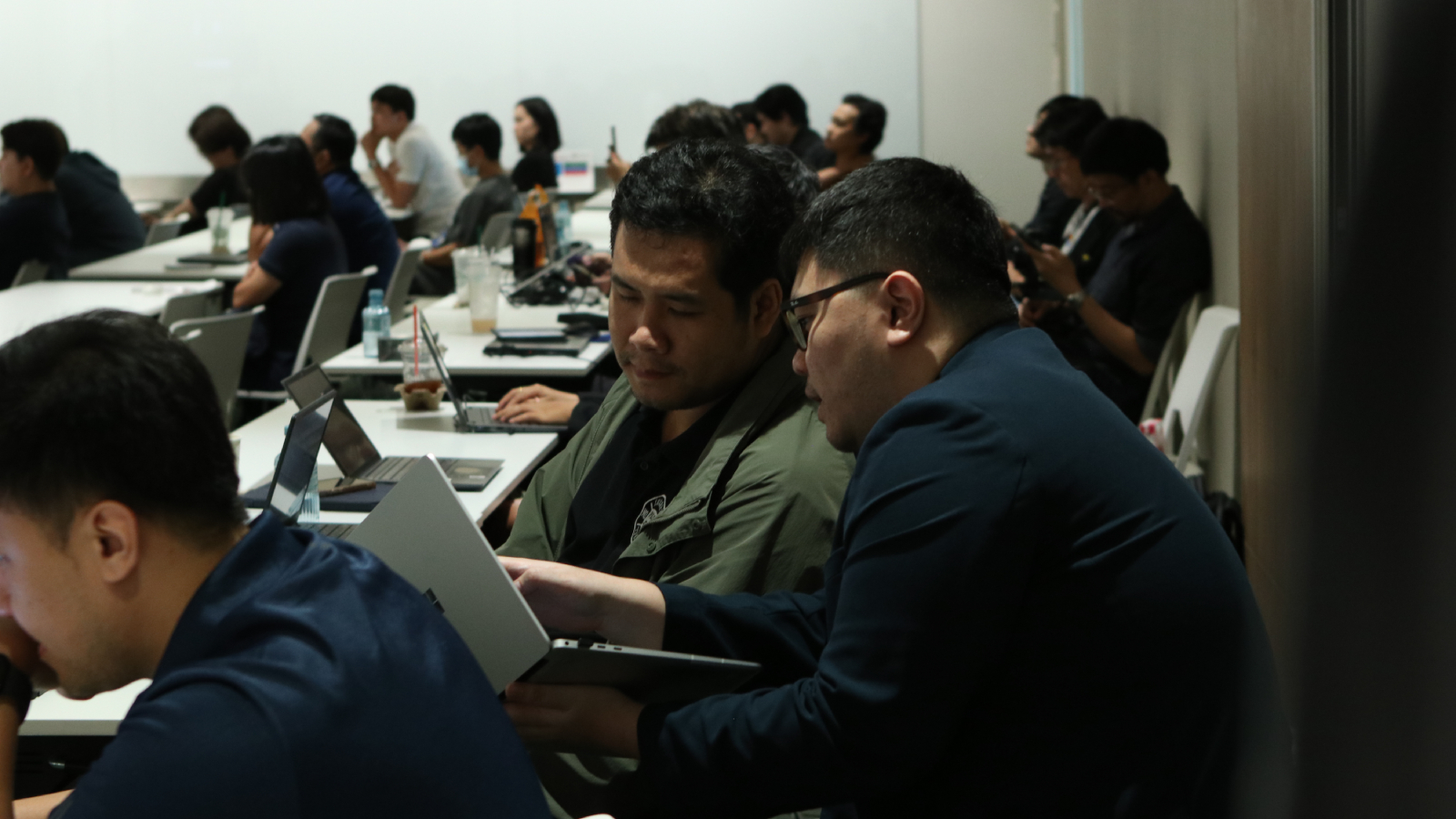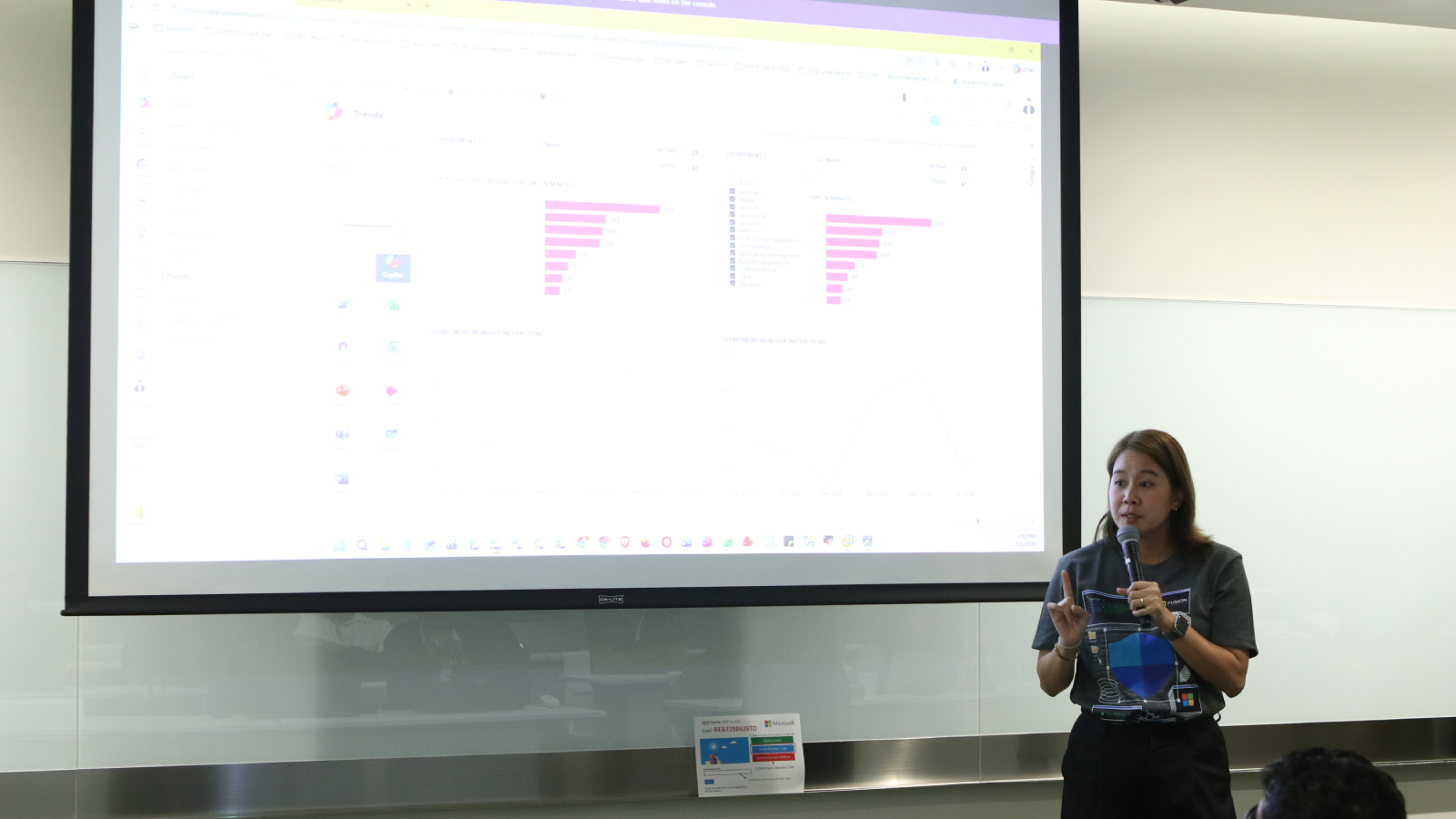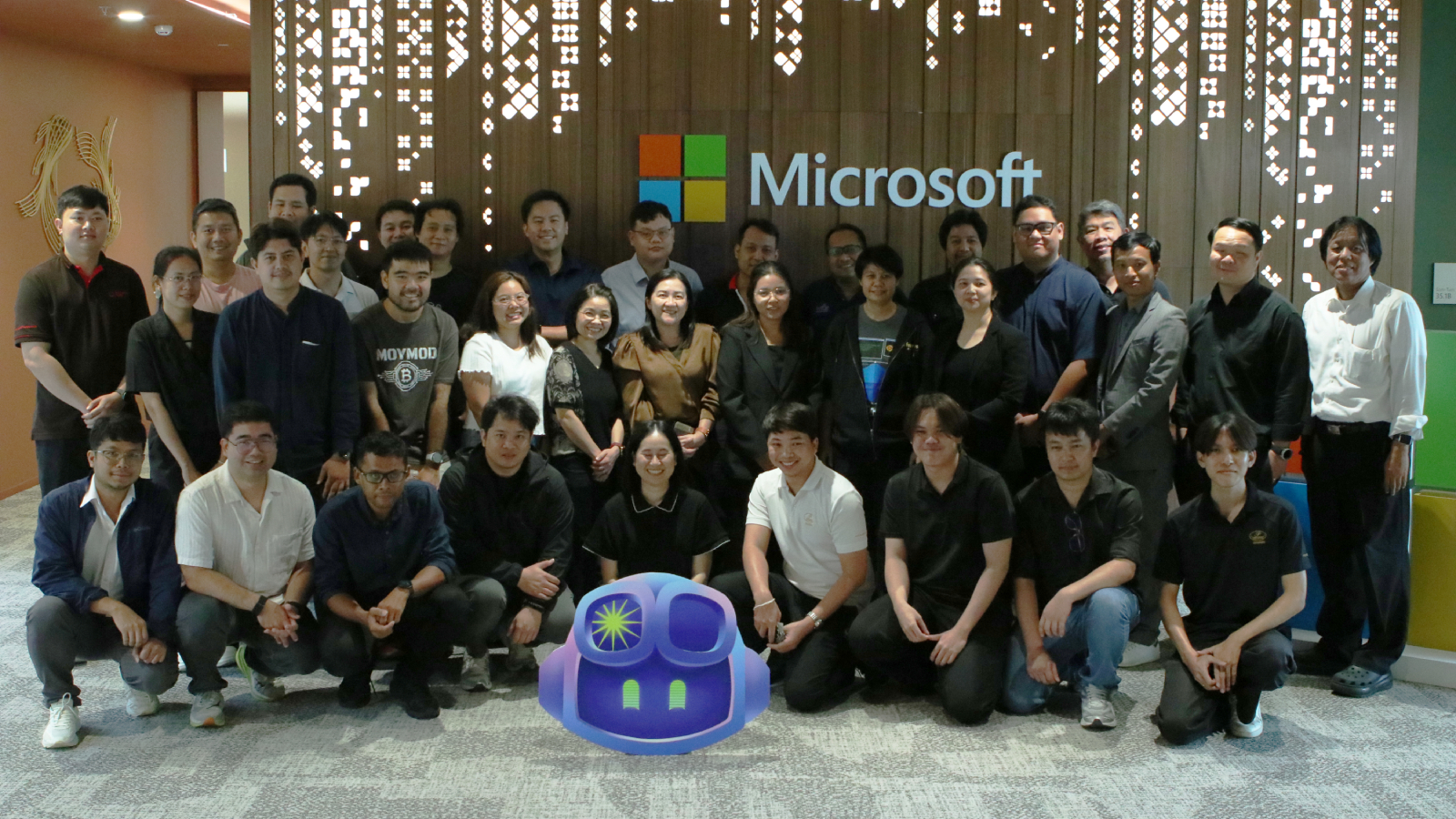
Fusion Solution invites organizations to participate in the Enterprise Cyber Defense Lab: Simulating real-world attacks and planning for data protection in the AI era
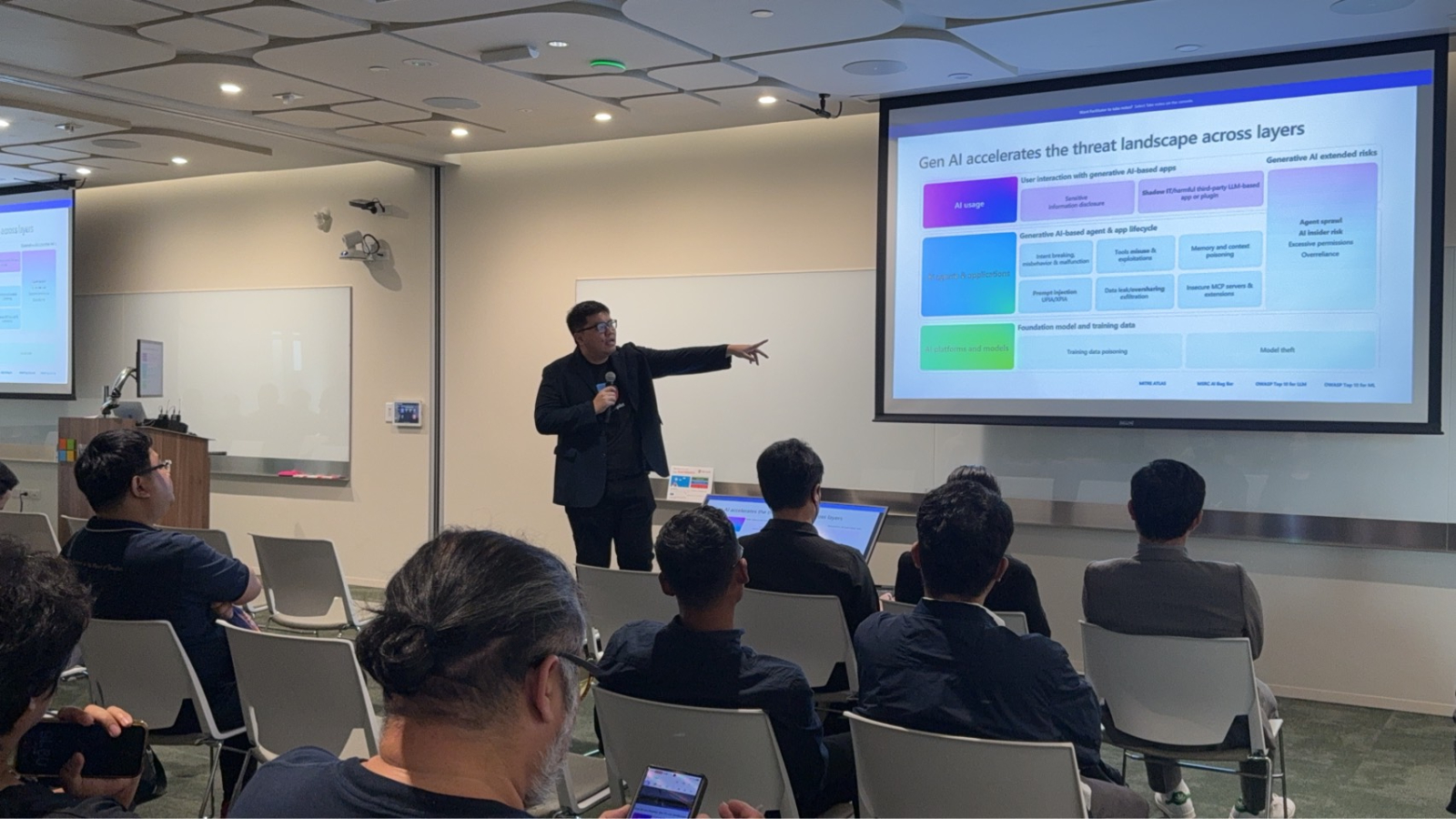
Today's cyber threats are no longer limited to system breaches; they are directly targeting "data," the heart of any organization. Fusion Solution invites executives, IT teams, and security teams to attend the Enterprise Cyber Defense Lab: Attack Simulation & Data Protection War Room, a cybersecurity workshop designed to help participants learn about real-world attack simulations, analyze data risks, and develop strategies to counter AI-powered threats. Key topics covered include Data Protection, Insider Risk, Microsoft Purview, Microsoft Defender Threat Protection, Identity Attacks, AI Data Guardrails, and Compromised Device Response.
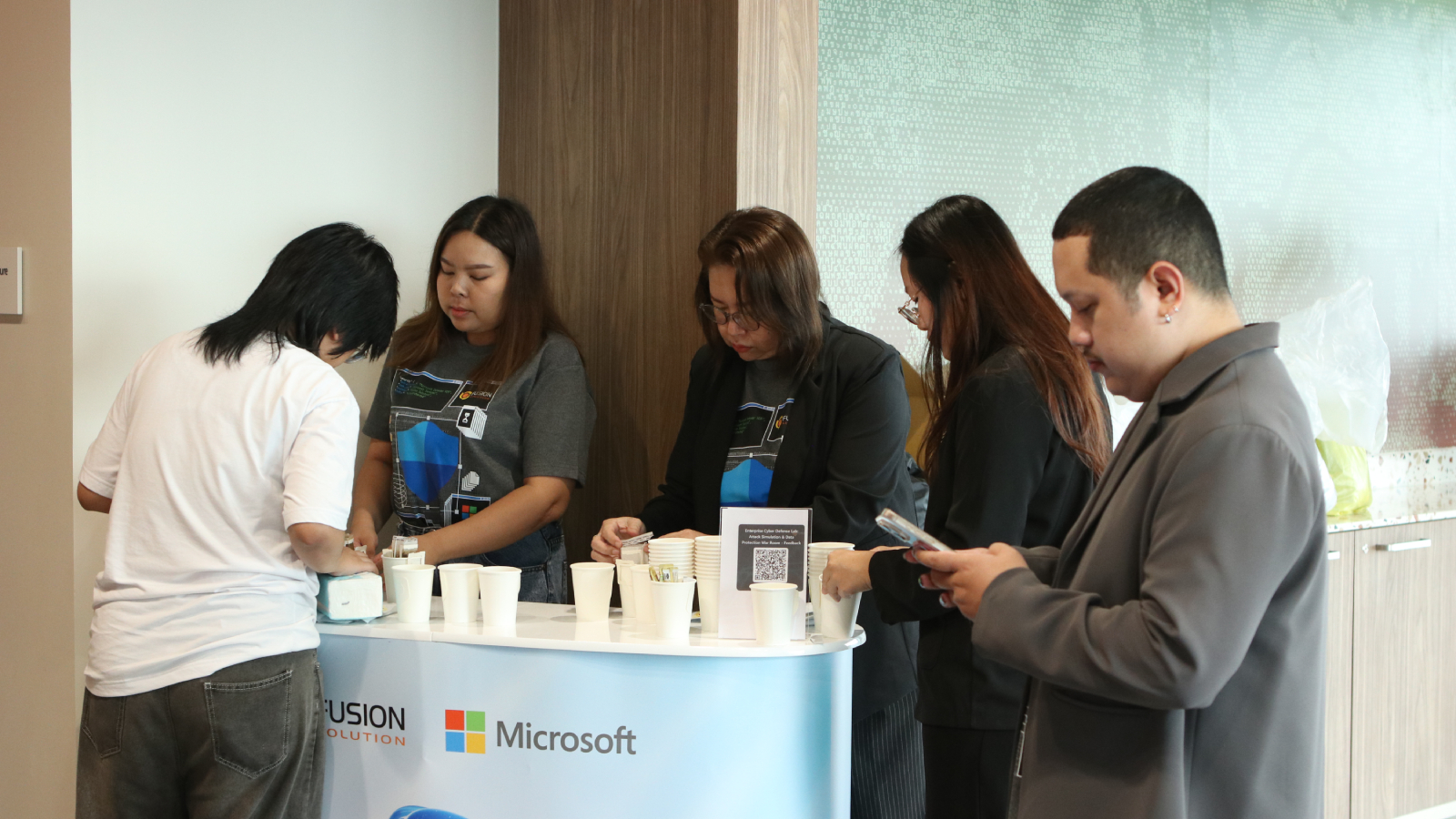
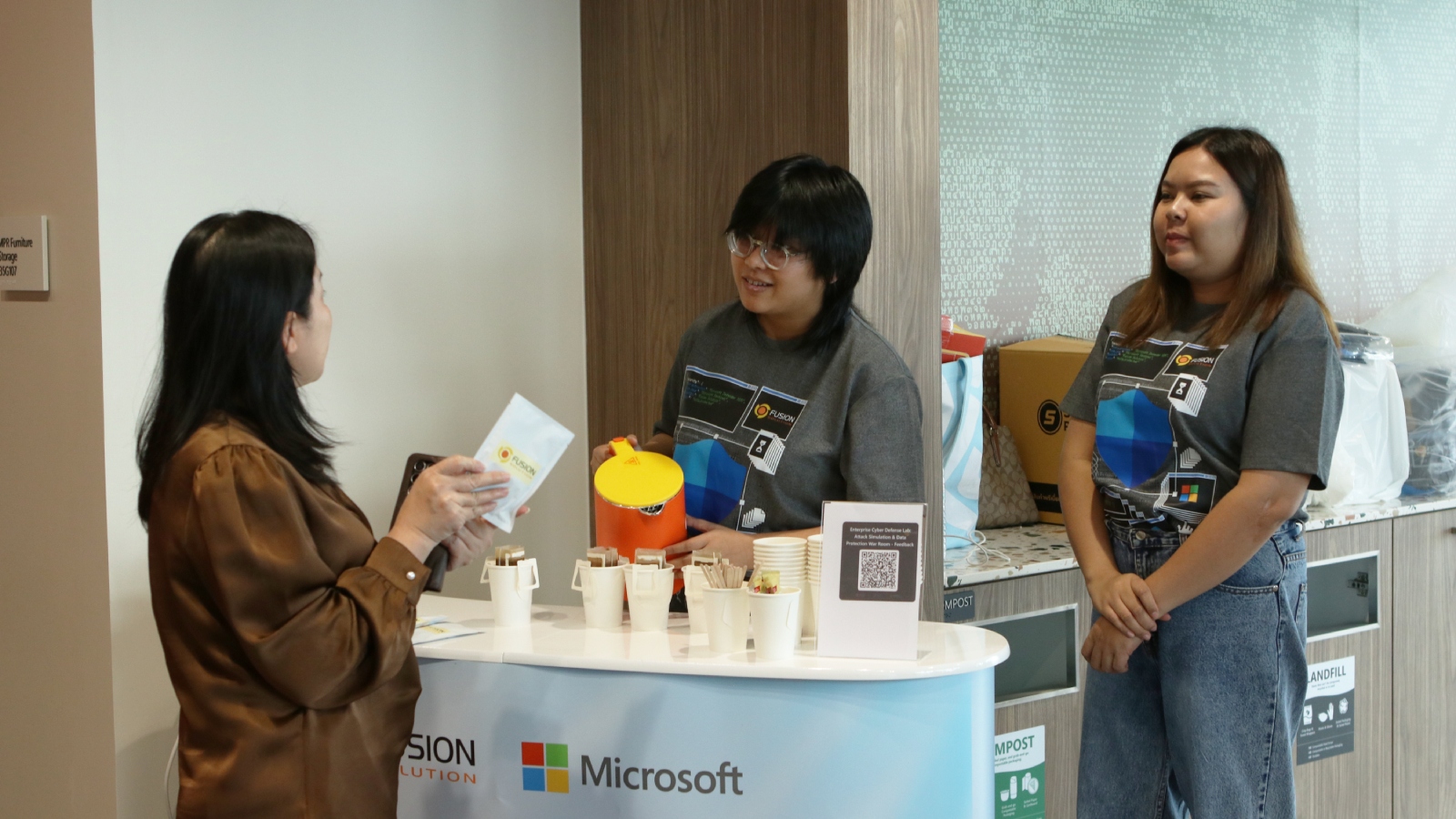
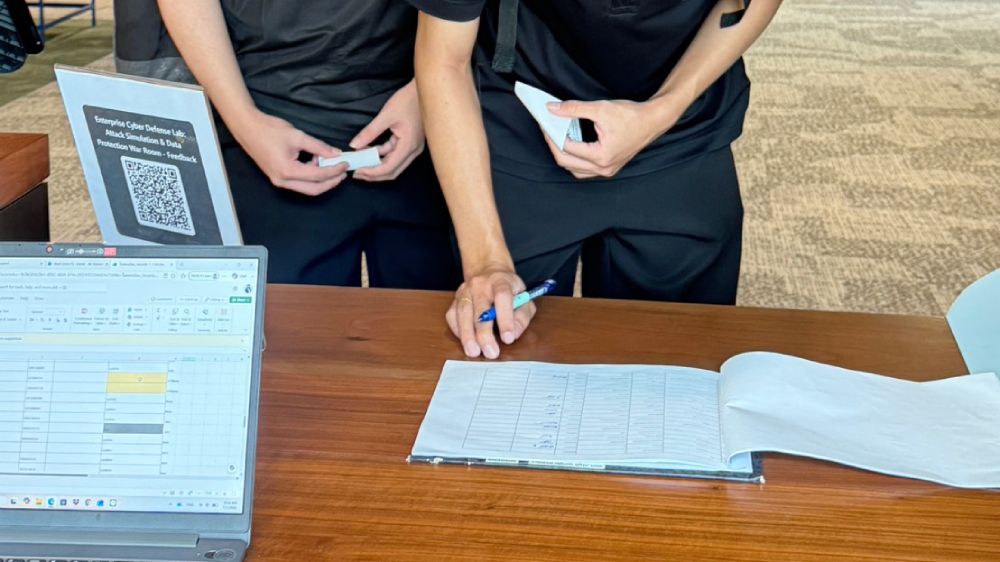
The event was held on Wednesday, July 1, 2026 from 8:30 a.m. – 4:30 p.m. at Room MPR1-2, Microsoft Thailand, One Bangkok, Tower 4, Floor 35, with the goal of helping organizations understand the current cyber risk landscape. From threat detection Preventing data leaks to planning responses when actual events occur
What is the Enterprise Cyber Defense Lab?
The Enterprise Cyber Defense Lab is a practical activity that simulates cybersecurity scenarios in a war room setting, allowing participants to visualize attacks, detection, and systematic responses to threats.
The main idea of the event is:
- Simulate the Attack – Simulating attack scenarios to show organizations the potential risk paths that may actually occur.
- Detect the Risk – Learn how to detect anomalies, data risks, and hidden threats within systems.
- Remediate with Confidence – Practice developing solutions, reducing risks, and preparing response plans for security incidents.
The format of the event is therefore not just a typical lecture, but focuses on helping participants understand both technical and business perspectives so that they can apply the knowledge to the real-world context of their organizations.
Why is data protection a key issue in the AI era?
One of the main themes of this event is the topic "Data is the New Risk Surface in the Age of AI."
As organizations increasingly adopt AI to assist with tasks such as summarizing documents, analyzing data, creating reports, or answering internal questions, a key risk is that sensitive data may be accessed, used, or shared inappropriately.
These risks don't stem solely from external attacks; they can also arise from internal organizational behaviors such as sharing files inappropriately, sending sensitive information outside the organization, or using internal data with AI tools without clear control measures.
Therefore, data protection is not just about preventing file leaks, but also involves defining access rights, monitoring behavior, establishing data policies, and creating guardrails for AI usage within the organization.

Key agenda items for the event
The Enterprise Cyber Defense Lab is designed to cover everything from threat overview to hands-on lab training in various topics.
Opening Keynote: Data is the New Risk Surface in the Age of AI
The opening session will discuss the role of data in the AI era and why organizations must view data security as a key aspect of their cyber defense.
This topic was presented by Mr. Sittichai Muangsiri.
Security Partner Technical Specialist
Microsoft (Thailand) Co., Ltd.
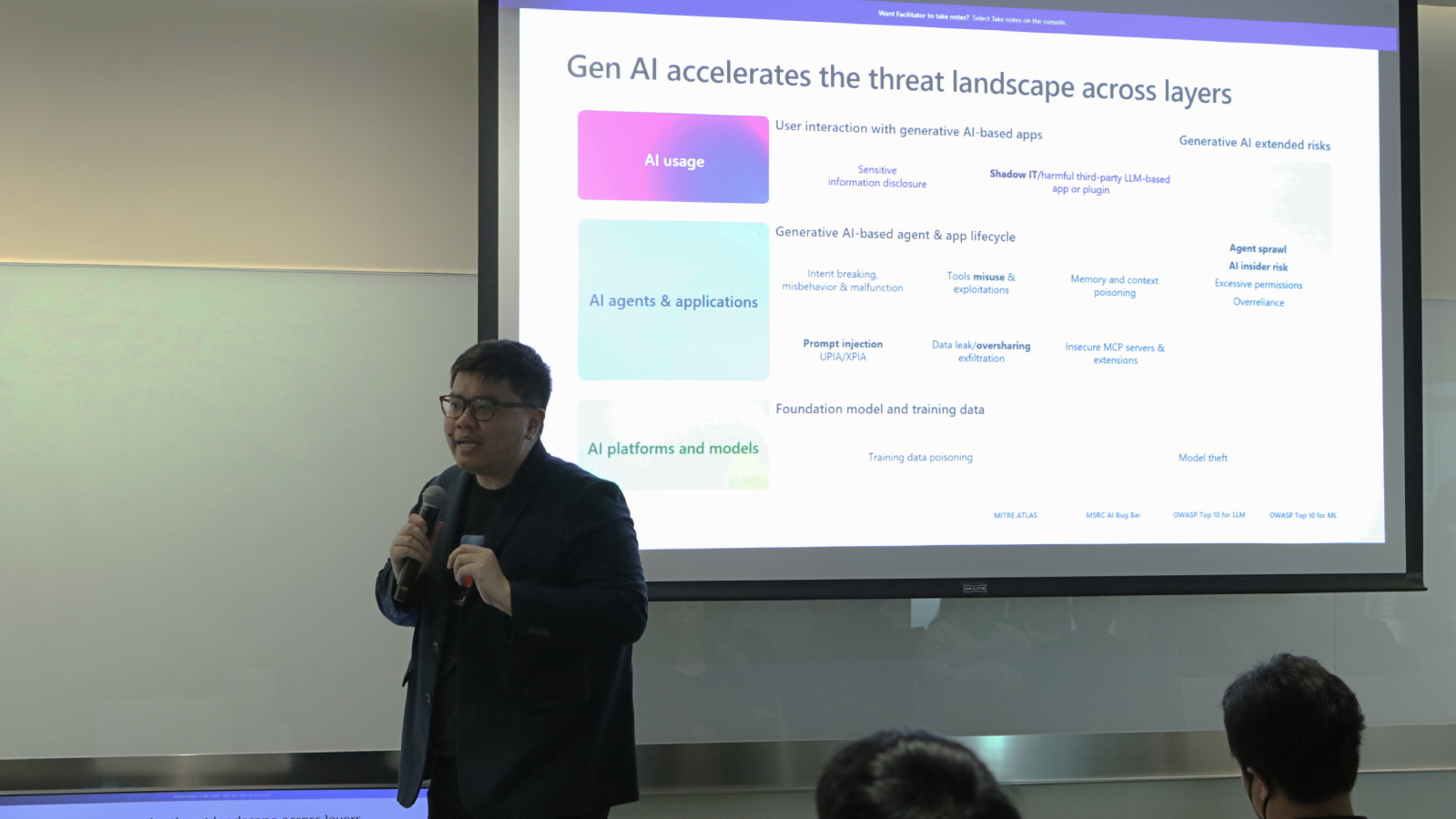
Executive Threat Briefing: Your Data is the New Attack Surface
This topic will provide participants with an overview of modern threats, particularly attacks targeting critical organizational data, and raise the crucial question: Are organizations prepared to handle data breaches?
This topic was presented by Mr. Supakit Yongvititsthit
CTO, Fusion Solutions Co., Ltd.
Data Protection & Insider Risk Investigation
This section will delve into data protection and risk assessment stemming from internal organizational behavior, using approaches related to Microsoft Purview and insider risk management.
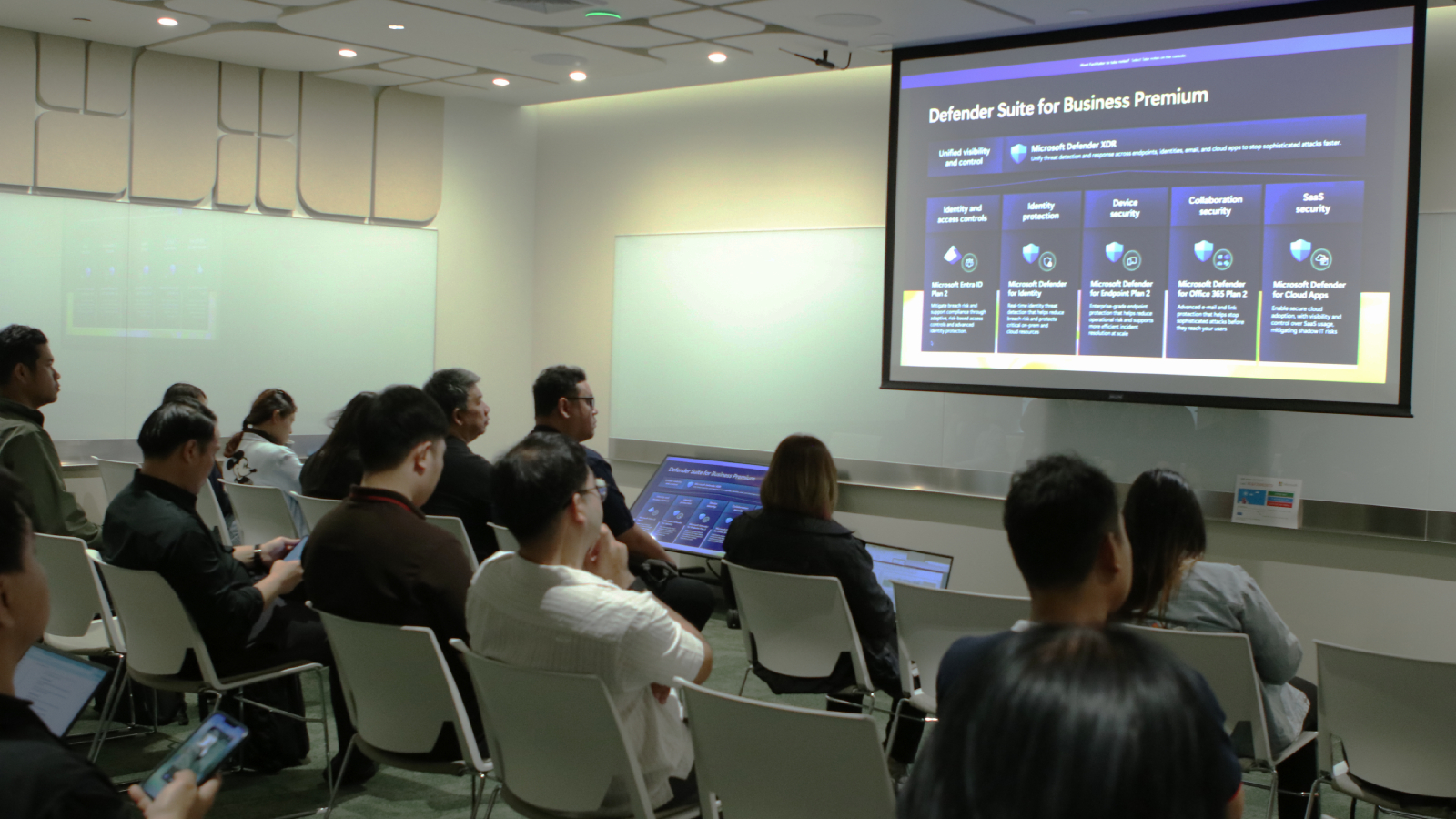
Additionally, there is a section on Microsoft Defender Threat Protection that covers threat protection across the attack chain, from Identity and AI Threats to Endpoint and XDR Defense.
Hands-on Lab: Training based on real-world scenarios that organizations may encounter
A highlight of this event is the inclusion of several hands-on lab sessions, allowing participants to see real-world situations and learn step-by-step how to handle them.
- Hands-on Lab 1: Data Exfiltration Hunt Participants will learn how to detect risks associated with data leakage, such as simulating employee data breaches and tracing data breach paths. This topic is ideal for organizations seeking to mitigate risks associated with sensitive data such as internal documents, customer data, financial data, or strategic information.
- Hands-on Lab 2: AI Data Guardrail As AI becomes a daily tool, organizations need appropriate guidelines for controlling data usage in conjunction with AI. This lab will focus on preventing the leakage of sensitive data to AI, experimenting with setting rules to protect confidential data from being sent to AI, and mitigating the risks associated with AI use within organizations.
- Hands-on Lab 3: Identity Attack Drill Identity Identity, or user accounts, is a key target of cyberattacks. This lab will guide participants through simulated account-based attacks, practicing intrusion path trajectories and identifying potential vulnerabilities. For organizations using cloud systems, Microsoft 365, or multi-platform collaboration, protecting identities is a fundamental aspect of security.
- Hands-on Lab 4: Compromised Device Response Besides user accounts, compromised or erratic devices are another significant risk to organizations. This lab will focus on handling compromised devices, simulating suspicious behavior, and practicing device isolation, risk mitigation, and systematic troubleshooting.
Meaning for the organization: Cybersecurity must be linked to Business Continuity.
Today's cyber threats affect not only IT teams but also directly impact business operations, including service continuity, customer trust, data security, and legal and compliance risks.
The Enterprise Cyber Defense Lab helps organizations see that cybersecurity is not just about installing tools, but comprises three key components:
- People who understand the risks and know how to respond.
- A clear process when an event occurs.
- Technology that helps detect, prevent, and manage risks effectively.
When all three components work together, organizations can respond to threats with greater confidence and better mitigate the impact of unforeseen events.
How should organizations prepare?
According to this work, organizations seeking to enhance their cybersecurity readiness should begin by assessing the risks to their data and critical systems, such as:
- Organizations should know where sensitive data is located, who has access to it, and whether it is being shared outside the organization.
- Establish a Data Protection policy
Guidelines for data protection should be established, such as data confidentiality classification, file sharing controls, and monitoring of risky behavior. - Prepare an Incident Response Plan.
When a cyberattack occurs, organizations should have a clear response plan, covering everything from detection and risk isolation to internal communication and system recovery. - Define guardrails for AI.
If an organization begins using AI in its operations, it should define the scope of data usage to prevent sensitive information from being misused.
Fusion Solution provides support for organizations in cybersecurity and Microsoft Solutions.
Fusion Solution is an enterprise technology solutions provider specializing in Microsoft Solutions, Cloud, Cybersecurity, Business Applications, and Digital Transformation.
For organizations seeking to enhance their security readiness, Fusion Solution can provide consulting, development, and solution design tailored to their specific context, whether they are using Microsoft Security, Microsoft Purview, Microsoft Defender, Microsoft 365, Azure, or data protection and identity security solutions.
The goal is not just to provide tools, but to help organizations build defense systems that are easy to understand, practical, and aligned with business goals.