Microsoft + Osmos expands Microsoft Fabric capabilities with Agentic AI.
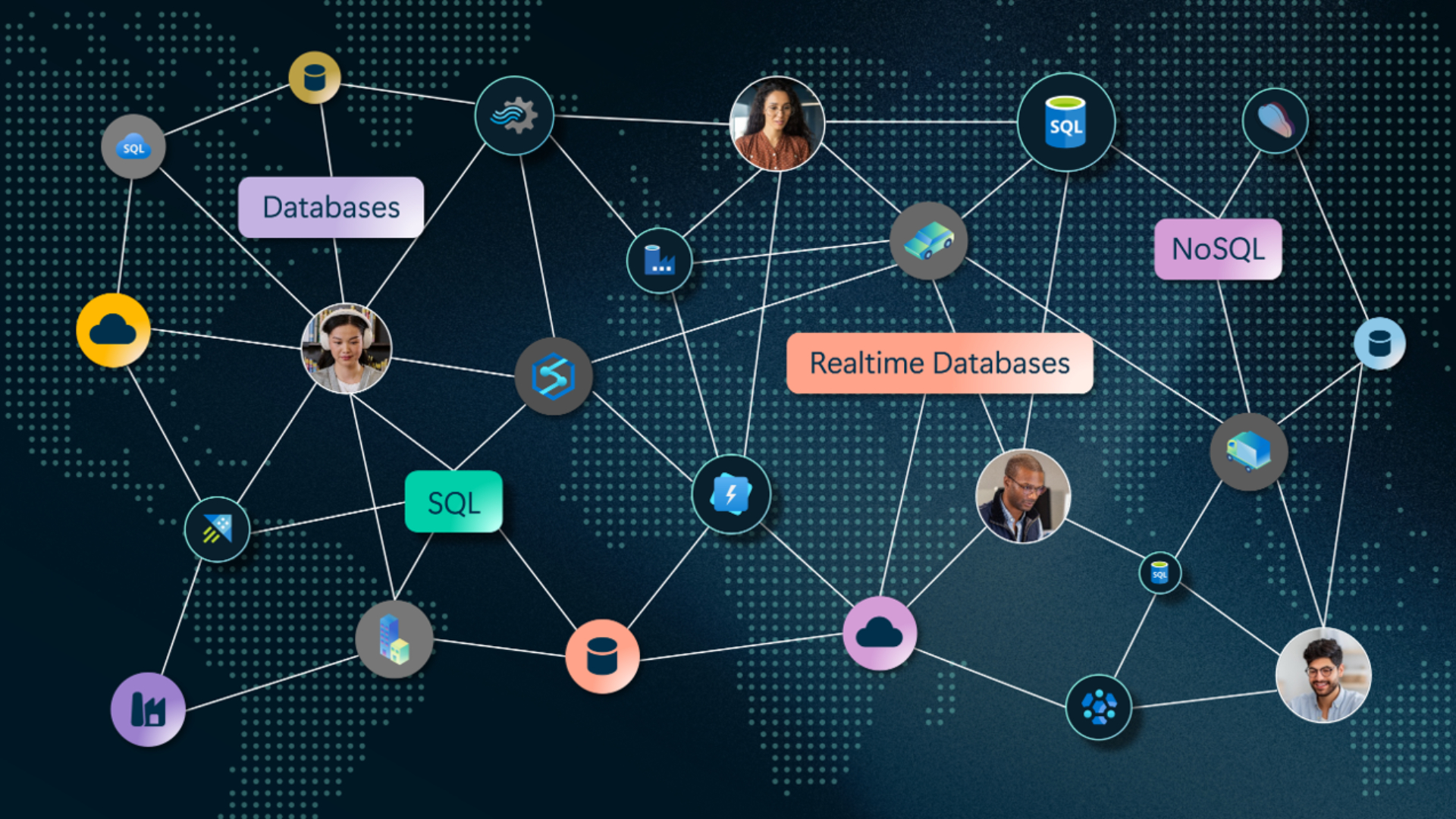
Today's data engineering teams are under constant pressure to deliver insights faster, maintain high data quality, and manage increasingly complex data ecosystems. Microsoft + Osmos This is a significant strategic step in addressing these challenges by expanding the capabilities of Microsoft Fabric with Agentic AI, which effectively assists developers throughout the data lifecycle.
Instead of treating AI merely as a command-driven assistant, this collaboration introduces “Intelligent Agents” that can reason, plan, act, and improve data workflows autonomously, while remaining fully governed within the Microsoft Fabric ecosystem.
What makes Agentic AI different in data engineering?
Traditional automation focuses on predefined scripts and rigid rules, but Agentic AI operates at a higher level, combining reasoning, memory, context understanding, and goal-oriented operations.
In the context of Microsoft Fabric, Agentic AI enables the system to:
- Understand the data structure (schema) and data lineage in every workflow.
- Detect pipeline failures and suggest solutions.
- Create the most efficient data transformation logic.
- Continuously learn from usage patterns and outcomes.
This shifts the role of data engineering from "solving symptoms" to "proactively improving efficiency."
Microsoft + Osmos: An Overview of the Agentix AI Architecture
This collaboration integrates Osmos's Agentitic AI framework directly with Microsoft Fabric services such as OneLake, Data Factory, Synapse Data Engineering, and Power BI.
Key principles of architecture
Principle | Description |
Reasoning-first design | The AI agent will analyze the problem before taking action. |
Secure by default | Inheriting Azure's identity verification, access control, and compliance features. |
Human-in-the-loop | Engineers still have the authority to approve and order modifications (override). |
Scalable execution | Agents work on data-related tasks at the organizational level. |
This architecture ensures that Agentic AI is reliable, verifiable, and suitable for highly controlled enterprise environments.
Microsoft Osmos for intelligent data engineering workflows.
Designing and optimizing automated pipelines.
Agentic AI can analyze data sources, data input frequency, and the relevance of end-data to:
- Recommend the most suitable pipeline structure.
- Choose the appropriate data transformation strategy.
- Reduce data latency and processing costs (computer costs).
Intelligent monitoring and self-healing pipeline.
Instead of alerting engineers after a failure, Agentic AI can:
- Predict pipeline failures before starting work.
- Identify the root cause using log and metadata analysis.
- Improve the automated correction process or suggest solutions.v
Managing Schema Evolution and Data Quality
Changes to data structures often break pipelines and dashboards. Agentic AI can help by:
- Detect changes in the data structure (schema drift) in real time.
- Introducing changes that are backward-compatible with the existing system.
- Automatically update the data transformation logic.
Impact on businesses at all levels of the organization.
- For data engineers: Reducing manual coding and debugging allows for faster learning of complex data environments and lowers the burden of system maintenance.
- For the data analysis team: Obtaining more reliable and up-to-date datasets allows for faster model building cycles and increases confidence in data results.
- For IT and management: Reduce operating costs, standardize data engineering practices, and enhance clarity in AI-driven decision-making.
Summary
The expansion of Microsoft Fabric with Agentic AI is transforming the way data engineering operates. Engineers shift from hands-on execution to strategic oversight, while AI handles optimization, monitoring, and routine decision-making.
cooperation between Microsoft + Osmos This lays the foundation for a future where enterprise data platforms will not only be scalable systems, but will be “truly intelligent.”
Interested in Microsoft products and services? Send us a message here.
Explore our digital tools
If you are interested in implementing a knowledge management system in your organization, contact SeedKM for more information on enterprise knowledge management systems, or explore other products such as Jarviz for online timekeeping, OPTIMISTIC for workforce management. HRM-Payroll, Veracity for digital document signing, and CloudAccount for online accounting.
Read more articles about knowledge management systems and other management tools at Fusionsol Blog, IP Phone Blog, Chat Framework Blog, and OpenAI Blog.
New Gemini Tools For Educators: Empowering Teaching with AI
If you want to keep up with the latest trending technology and AI news every day, check out this website . . There are new updates every day to keep up with!
Fusionsol Blog in Vietnamese
- What is Microsoft 365?
- What is Copilot?What is Copilot?
- Sell Goods AI
- What is Power BI?
- What is Chatbot?
- Lưu trữ đám mây là gì?
Related Articles
Frequently Asked Questions (FAQ)
What is Microsoft Copilot?
Microsoft Copilot is an AI-powered assistant feature that helps you work within Microsoft 365 apps like Word, Excel, PowerPoint, Outlook, and Teams by summarizing, writing, analyzing, and organizing information.
Which apps does Copilot work with?
Copilot currently supports Microsoft Word, Excel, PowerPoint, Outlook, Teams, OneNote, and others in the Microsoft 365 family.
Do I need an internet connection to use Copilot?
An internet connection is required as Copilot works with cloud-based AI models to provide accurate and up-to-date results.
How can I use Copilot to help me write documents or emails?
Users can type commands like “summarize report in one paragraph” or “write formal email response to client” and Copilot will generate the message accordingly.
Is Copilot safe for personal data?
Yes, Copilot is designed with security and privacy in mind. User data is never used to train AI models, and access rights are strictly controlled.