Be Aware of Cyber Threats - Why Antivirus Alone Isn't Enough
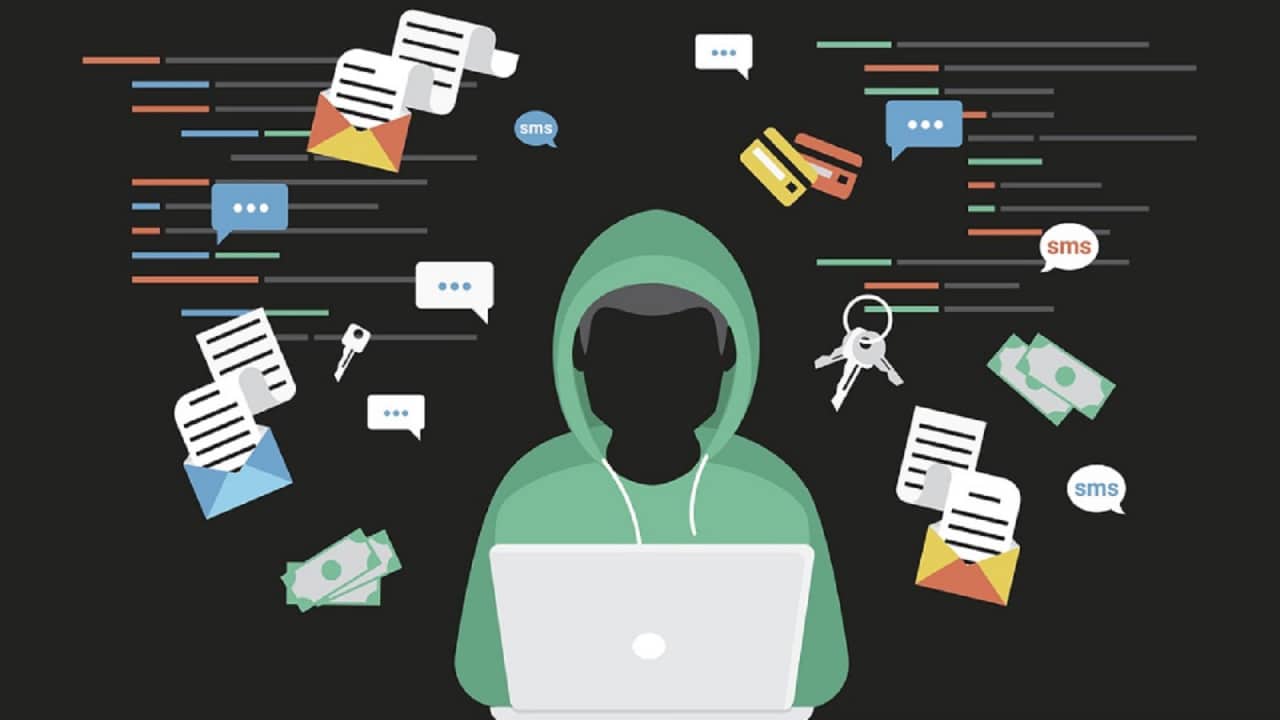
In an era where cyber threats are evolving rapidly, relying solely on traditional antivirus software is no longer enough to protect organizational data. Today's cybercriminals use AI, automation, and social engineering techniques that can easily evade traditional defenses. To stay ahead of the curve, organizations need a multi-layered, proactive approach to security that goes beyond malware detection.
Limitations of traditional antivirus
For years, antivirus software has been the cornerstone of endpoint protection, scanning files and blocking malicious programs from running. But today's threats have evolved to effectively evade these systems.
The main limitations of traditional antiviruses include:
Limitations | Description |
Signature Dependence | Antiviruses rely on a database of known threats, so new or modified malware often goes undetected. |
Lack of behavioral analysis | The system focuses on detecting files only, not analyzing user or system behavior that might indicate an attack. |
Cannot prevent phishing | Antivirus can't stop users from filling out fake websites. |
Limited field of view | Protects only endpoints, but doesn't detect network activity, user identities, or the cloud. |
Cybercriminals today use techniques like Fileless Malware, Zero-Day Exploits, and Living-off-the-landthat leave no trace for antivirus protection to detect, making traditional defenses almost ineffective.
The rise of modern cyber threats
Today's threat landscape is significantly more complex than it was a few years ago. Adversaries are not only attacking endpoints, but also targeting cloud applications, user identities, and collaboration platforms.
Common threats encountered include:
- Phishing and Social Engineering:Tricking employees into revealing their usernames or passwords
- Ransomware: Encrypts company files and demands ransom to unlock them
- Business Email Compromise (BEC):Impersonating an executive to trick people into approving financial transactions
- Insider Threats: A disgruntled employee or hacked account releases sensitive information.
In order to be aware of threats, organizations need to have visibility over all risk points and be able to detect anomalies before they cause damage.
Why is a multi-layered defense strategy important?
Modern security requires a layered defense that combines tools, intelligence, and automation, because no single tool can address all threats.
A complete protection system should include:
Protection layer | Duty |
Endpoint Detection and Response (EDR) | Detect and respond to advanced attacks in real time |
Identity Protection | Monitor login behavior and enforce multi-factor authentication (MFA). |
Email and Web Security | Filter out malicious links, phishing emails, and malicious downloads. |
Cloud App Security | Review risky data sharing and cloud app usage |
Security Information and Event Management (SIEM) | Gather information from all sources to detect suspicious activity. |
When these layers of defense work together, businesses gain a comprehensive defense system that can detect, isolate, and remediate threats before they cause damage.
Beyond Defense: Use Threat Intelligence and Automation
Reactive security is no longer enough. Organizations should adopt a proactive approach through Threat Intelligence that uses real-time data and deep analytics to predict attacks before they happen.
Key offensive capabilities include:
- Threat Hunting: Search for hidden intrusions in the system
- Automated Incident Response:Automatically isolate compromised devices
- Continuous Monitoring: Monitor users, apps, and devices in real time.
- Machine Learning Analytics: Analyze attack patterns that traditional tools can't detect.
This approach shifts from a “defensive” approach to a more intelligent and modern “proactive defense” approach.
The role of user awareness raising
Even with the most advanced tools, if users lack the knowledge, human error remains the leading cause of data breaches. Regular security training helps employees be aware of threatsand make more informed decisions.
Key training topics should include:
- Spotting Phishing Emails and Suspicious Links
- Creating strong and unique passwords
- Avoiding public Wi-Fi connections when working
- Immediate reporting of unusual activity
When technology and people work together, organizations can have a stronger and more sustainable safety culture.
Summary
In today's digital world, antivirus is only one part of the cybersecurity picture. To truly stay ahead of threats, organizations need a holistic approach that integrates device protection, identity management, threat analytics, and user education.
By building multi-layered defenses and maintaining constant vigilance, businesses can quickly detect threats, mitigate risk, and protect their most valuable asset.
Interested in Microsoft products and services? Send us a message here.
Explore our digital tools
If you are interested in implementing a knowledge management system in your organization, contact SeedKM for more information on enterprise knowledge management systems, or explore other products such as Jarviz for online timekeeping, OPTIMISTIC for workforce management. HRM-Payroll, Veracity for digital document signing, and CloudAccount for online accounting.
Read more articles about knowledge management systems and other management tools at Fusionsol Blog, IP Phone Blog, Chat Framework Blog, and OpenAI Blog.
New Gemini Tools For Educators: Empowering Teaching with AI
If you want to keep up with the latest trending technology and AI news every day, check out this website . . There are new updates every day to keep up with!
Fusionsol Blog in Vietnamese
- What is Microsoft 365?
- What is Copilot?What is Copilot?
- Sell Goods AI
- What is Power BI?
- What is Chatbot?
- Lưu trữ đám mây là gì?
Related Articles
Frequently Asked Questions (FAQ)
What is Microsoft Copilot?
Microsoft Copilot is an AI-powered assistant feature that helps you work within Microsoft 365 apps like Word, Excel, PowerPoint, Outlook, and Teams by summarizing, writing, analyzing, and organizing information.
Which apps does Copilot work with?
Copilot currently supports Microsoft Word, Excel, PowerPoint, Outlook, Teams, OneNote, and others in the Microsoft 365 family.
Do I need an internet connection to use Copilot?
An internet connection is required as Copilot works with cloud-based AI models to provide accurate and up-to-date results.
How can I use Copilot to help me write documents or emails?
Users can type commands like “summarize report in one paragraph” or “write formal email response to client” and Copilot will generate the message accordingly.
Is Copilot safe for personal data?
Yes, Copilot is designed with security and privacy in mind. User data is never used to train AI models, and access rights are strictly controlled.